Student design competition
2025 GAC Design Award champions AI in design

Students from Asia, Europe and North America recently took part in GAC’s design competition that focused on AI integration inside future mobility solutions.
The city of Guangzhou, China, recently played host to the finals of the 2025 GAC Design Award. Centred on the theme ‘Beauty of Tomorrow II: AI Works’, the awards celebrated the work of budding young designers from around the world that were tasked with creating mobility solutions for the future, keeping AI integration at the heart of their projects.
The theme enabled participants to push the boundaries of technology and encouraged them to reimagine the fundamentals of design while simultaneously exploring aesthetic appeal and a human-centric approach.
An impressive range of designs were on show at the awards, each meticulously detailed and defined, while a select group of students presented their work in front of an absorbed audience.
Three finalists were chosen by a panel of experts, consisting of Fan Zhang, chief design officer and president of GAC Design, alongside representatives from internationally recognised design institutions and top academic establishments.

Referring to the theme of the awards, Fan suggested that successful designs had identified issues facing humanity and created AI-driven solutions that are embedded in innovative mobility concepts. It was a close call for first place, as all the designs showed considerable promise.
The Winner
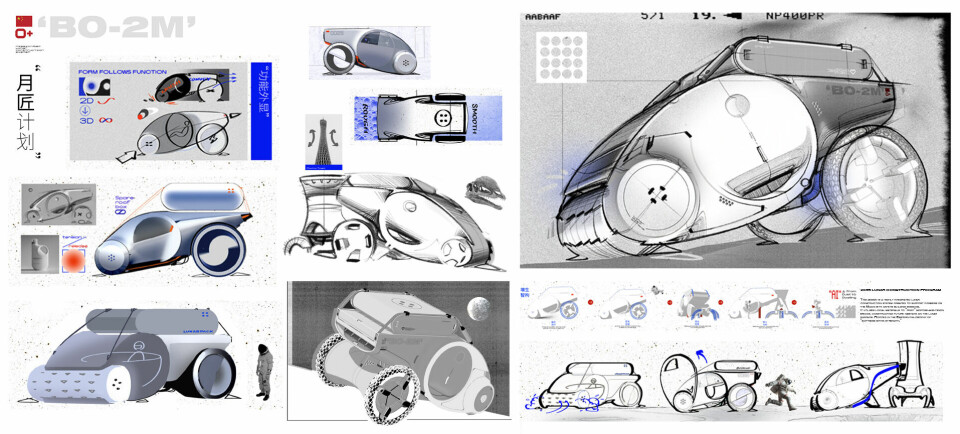
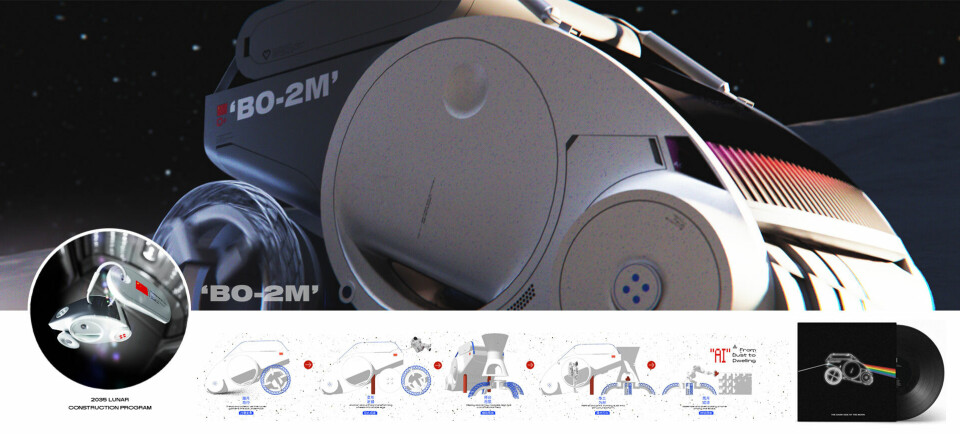
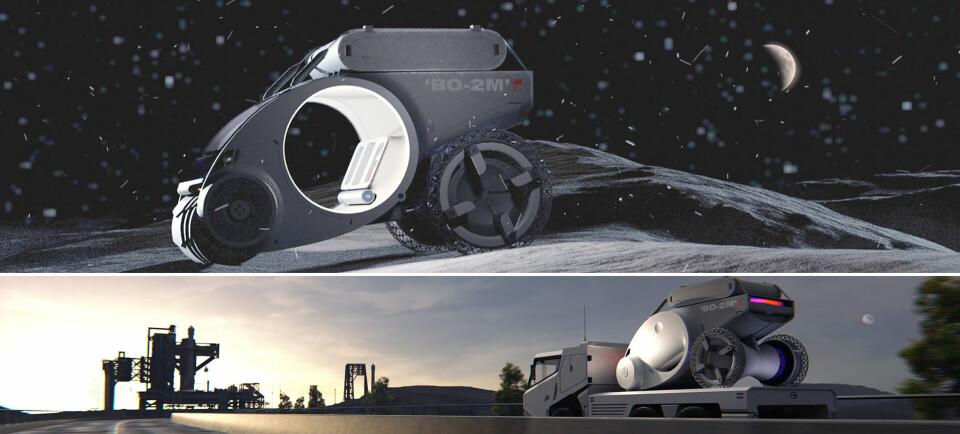
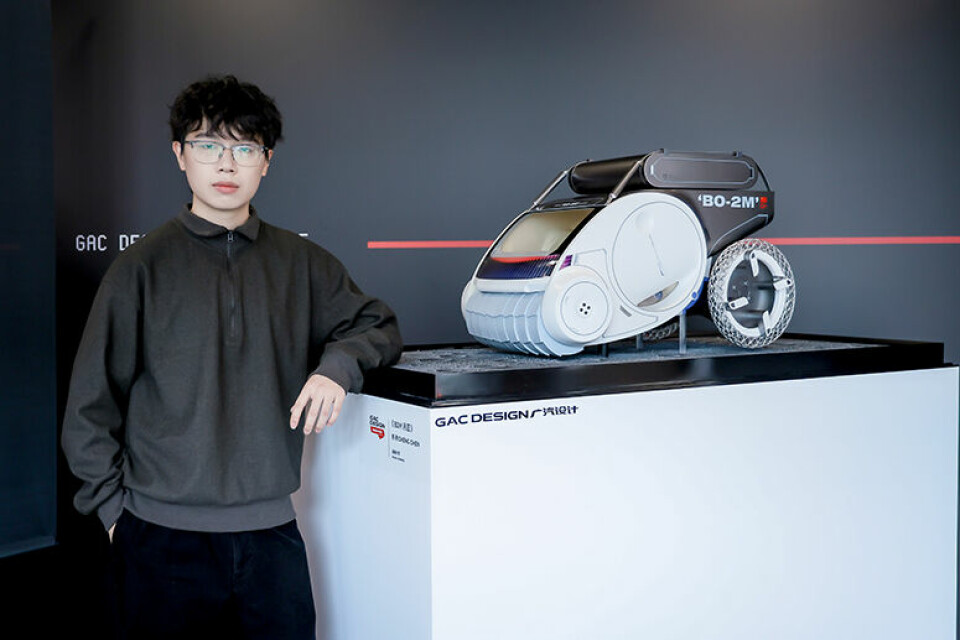
Clinching first place and top prize was Cheng Chen of Hunan University with his project titled ‘B2M’. A rugged lunar vehicle with two large back wheels, the B2M is designed to traverse difficult terrain on unchartered planets. It features a rotary tiller at the front that spans the width of the vehicle. This feeds an AI-powered construction system that uses the lunar soil to “print” bricks, which are then used to build a “warm second home for humanity on the otherwise barren lunar surface.”
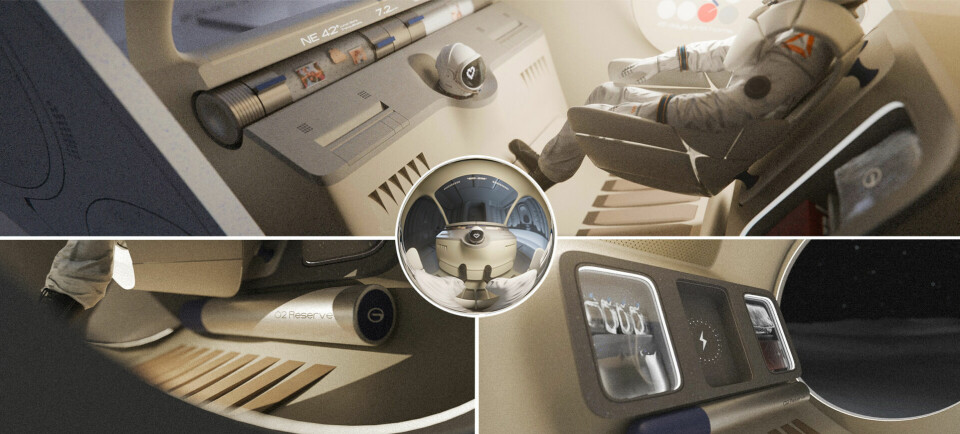
Chen believes that B2M could be an essential tool in aiding the survival and advancement of the human race and its “deep-space resource strategy”. He also included illustrations of a roomy interior cabin with a specially designed space suit that connects the occupant to the vehicle and its AI system.
There was even an oxygen reserve tank included underneath the seats, acting as a crucial lifeline in worse-case scenarios, and an AI assistant on the centre console to provide information and data during operation.
The judges praised Chen for his extremely thorough design and expressive choices. His project will be on show at the Milan Design Week in 2026, and he will be offered an overseas studio exchange with GAC.

Runners Up
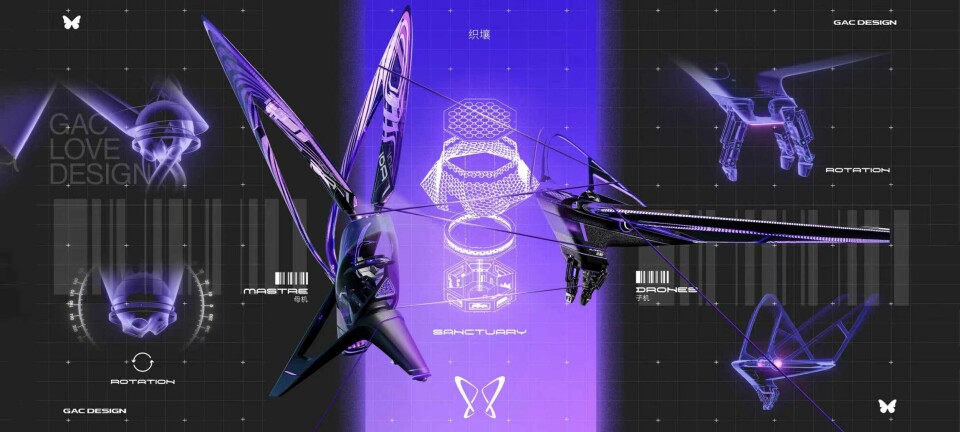
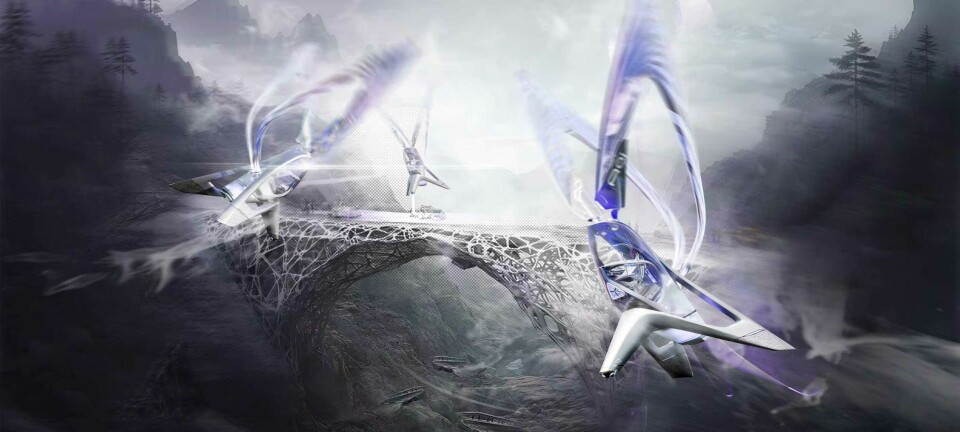
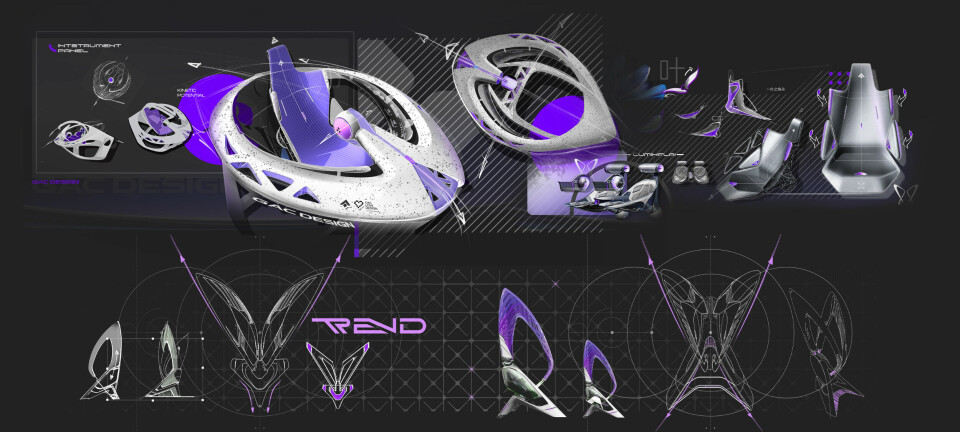
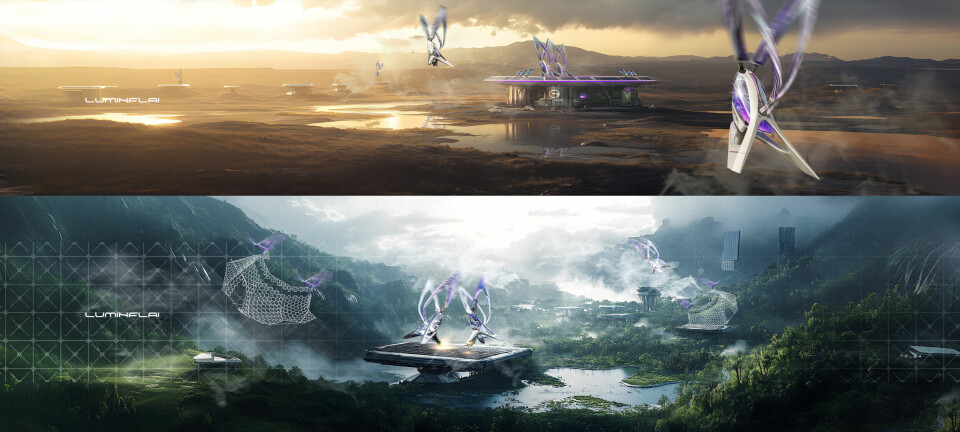
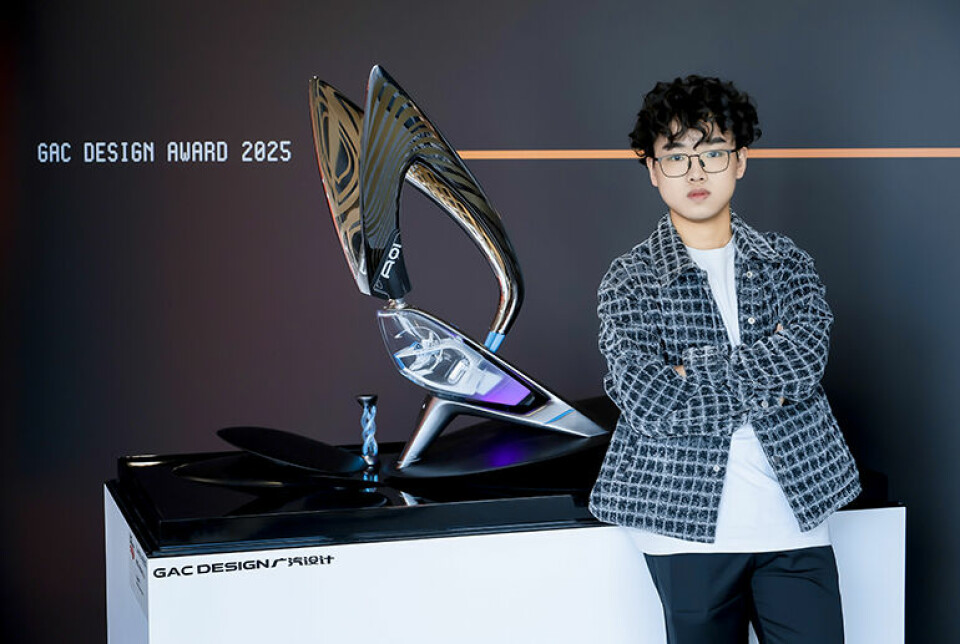
Menghao Liu from Guangzhou Academy of Fine Arts was awarded second place with their project titled ‘Luminflai’. A dramatic metal and glass sculpture, the vehicle is equipped with two large bionic wings that enables the occupant to take flight and navigate complex terrains. It features an AI-driven disaster management system that can detect life signals and rapidly print emergency shelters, with the aim of revolutionising rescue operations in the event of a disaster.
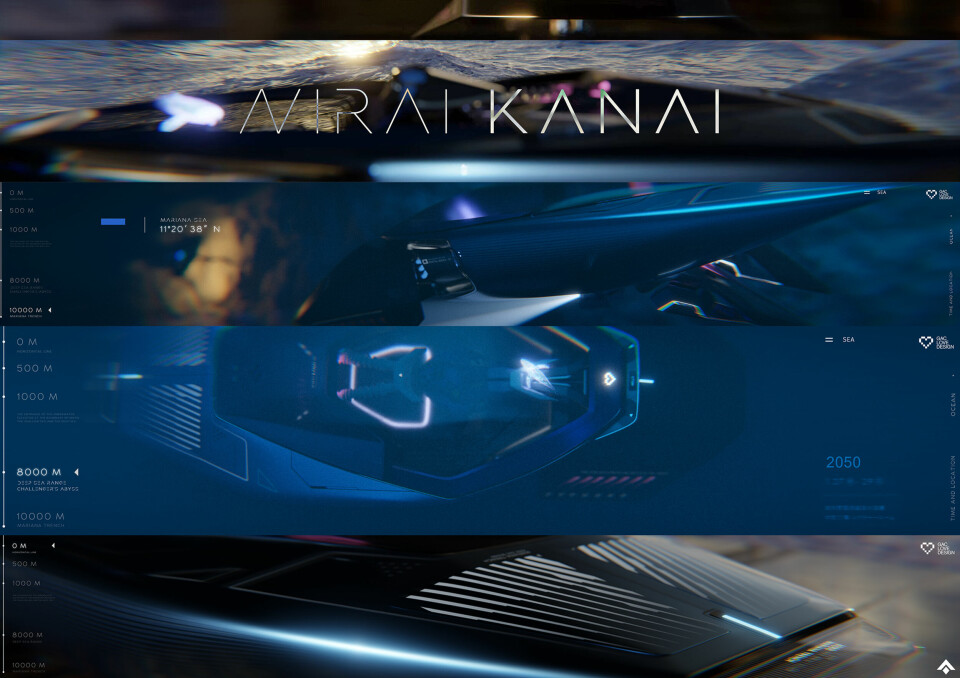
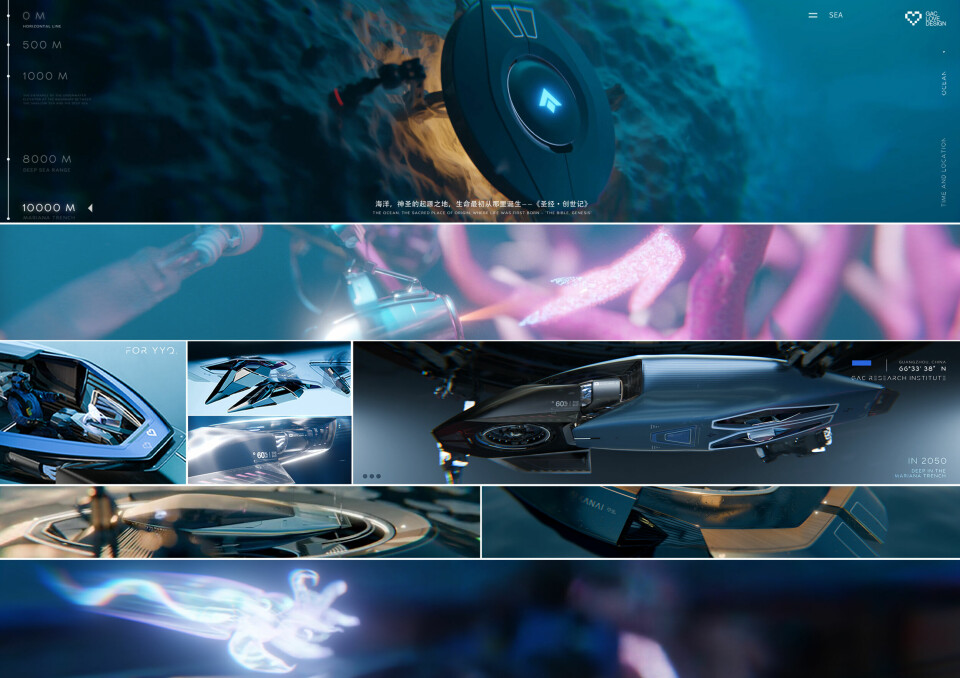
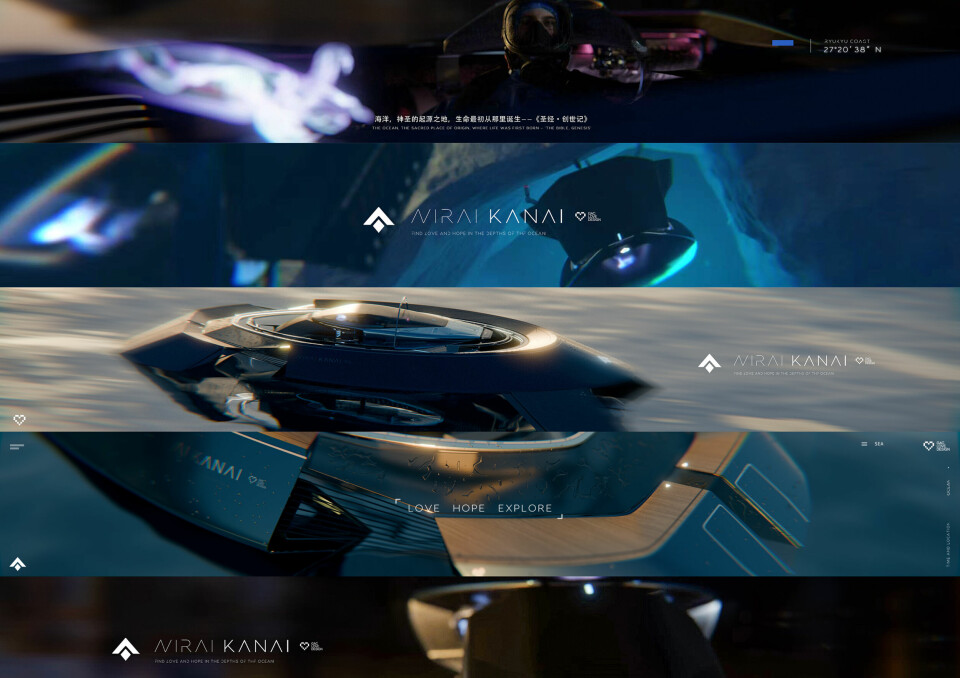
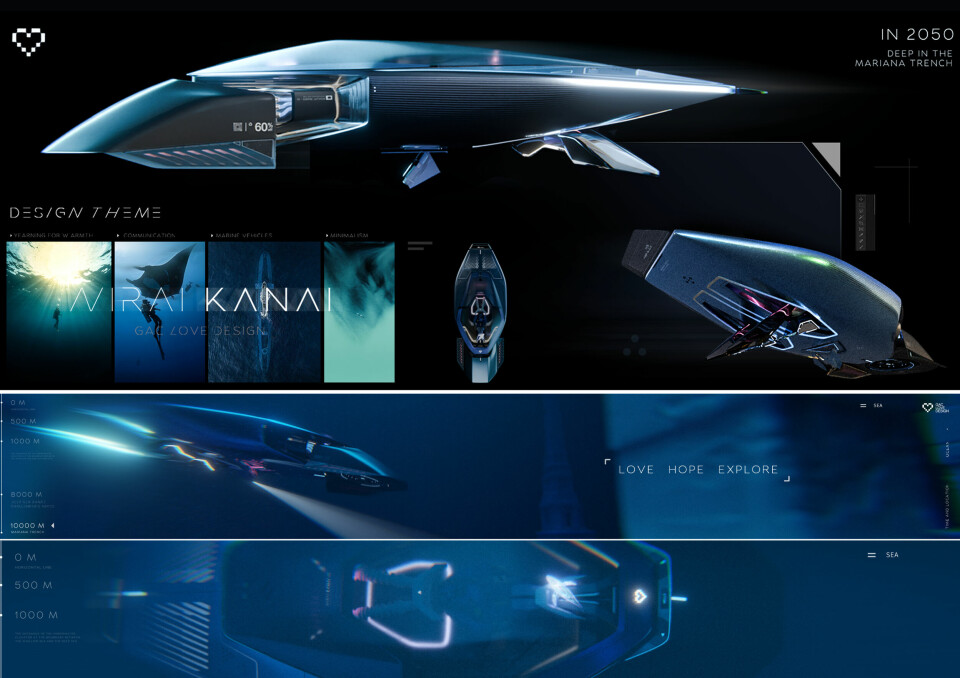
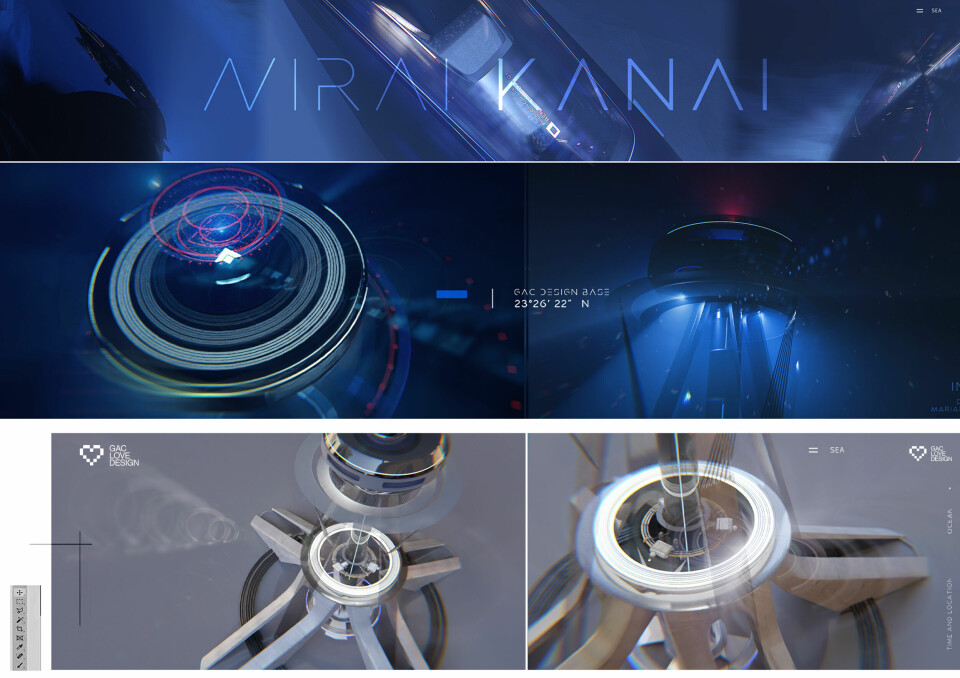
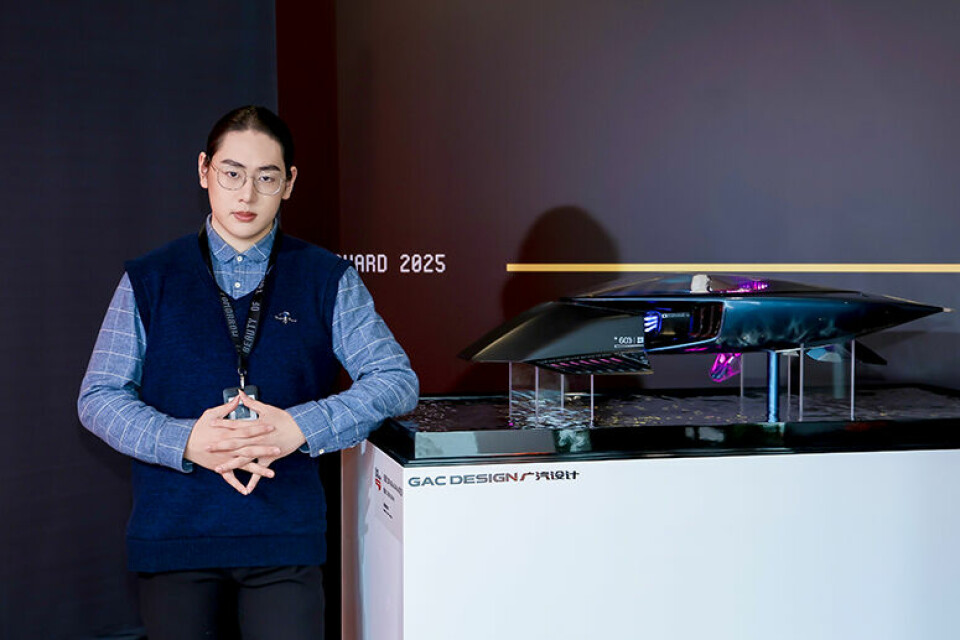
Third place was awarded to Zhenyan Ni from Jingdezhen Ceramic University. The project, titled ‘Nirai Kanai’, is a sleek amphibious submersible with a streamlined silhouette and glass dome cabin. It is capable of reaching impressive depths, allowing occupants to explore the ocean and use an AI data gathering system for genetic collection and ecosystem restoration.
Ni suggested that AI will be crucial in the fight against climate change, and hopes their concept will allow humans to have a “harmonious coexistence” with the sea.
New frontiers
The projects showcased at the 2025 GAC Design Award clearly demonstrate the exciting capabilities of a new wave of young designers. By positioning AI at the centre of their designs, students were able to provide a glimpse into how mobility can evolve and help to address some of the fundamental issues facing the human race.
Fan congratulated each of the finalists on their projects, emphasising the high quality and unique creativity of the concepts. He also mentioned the changing world of car design, and suggested that the industry would need to overcome “AI anxiety” in order to unlock emerging technologies and deliver valuable new mobility solutions.
Check out the highlights video!
“We are not just building cars; we are crafting an intelligent mobility ecosystem where AI and human creativity meet, creating a seamless integration of technology, service, and meaningful human experience,” he said.
“Guided by the spirit of ‘AI Works’, we are pushing beyond conventional boundaries to explore new creative frontiers. In this new era, designers are stepping into roles as storytellers, empathetic observers, and synthesisers of diverse possibilities – shaping a future where technology serves humanity with intelligence and heart.”
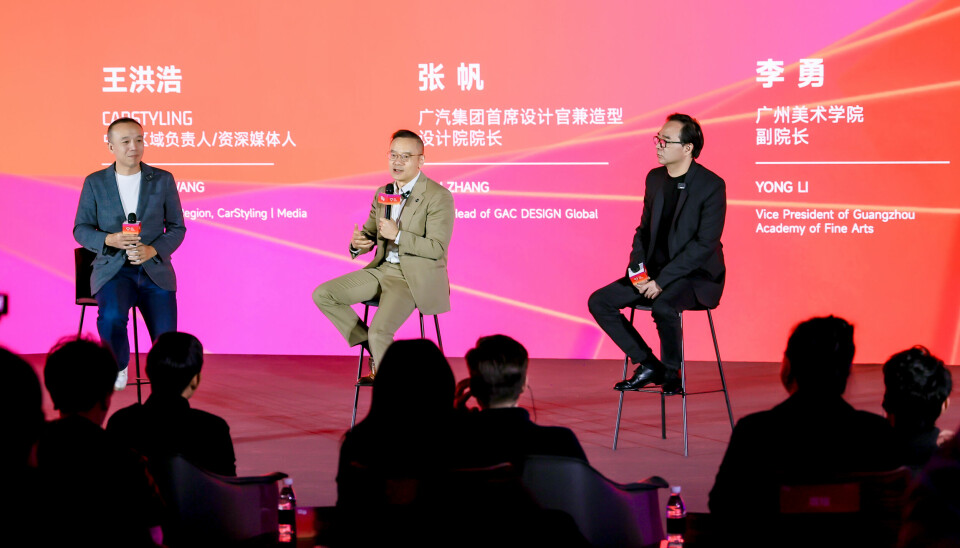
Running alongside the awards was a Design Forum, during which attendees came together to discuss AI, design and education under the ‘AI Works’ theme. Eager to outline a distinctive and viable pathway for AI use in design, experts and leading industry voices discussed numerous ways in which designers can benefit from AI integration.
One of the main takeaways from the forum was that designers should act as a “humanistic compass”, using AI as a tool to carry out repetitive tasks while guiding the project to ensure it centres on human needs and experiences. Another crucial point was that designers should leverage human judgement and taste to discern quality amidst a deluge of AI-generated content.
For the latest updates, 10th-anniversary announcements, and official entry guidelines for the 2026 GAC Design Award, please follow the official instagram account @gacdesign.