Designing in Italy
Changan’s foray into Europe ‘requires both humility and confidence’

CDN sits down with Jung Hyun Lee, exterior design director at the Changan European Design Centre
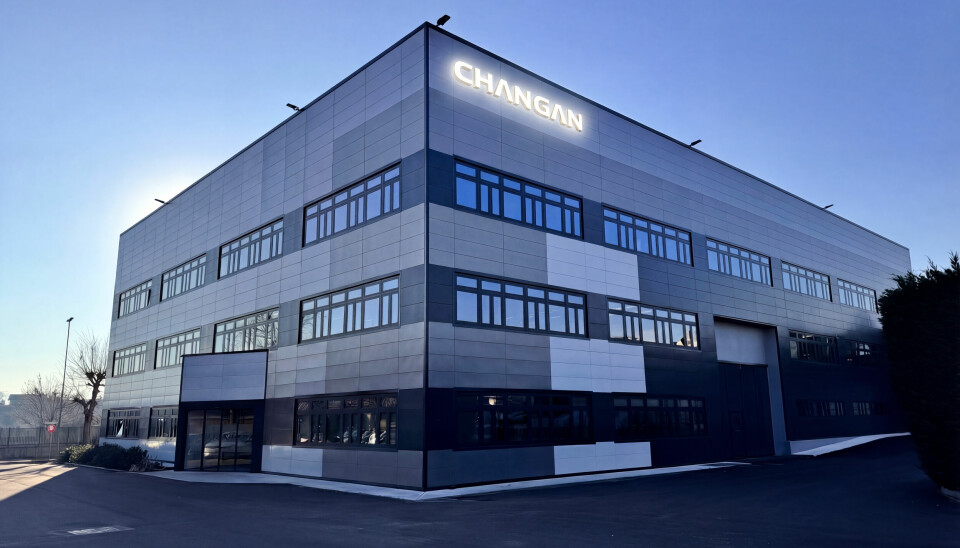
Based at the company’s design centre in Turin, Italy, Jung Hyun Lee leads a team of talented exterior designers that are aiming to operate quickly and efficiently, leveraging the speed of a Chinese company to deliver their products to Europe.
Car Design News: What does a typical day look like for you at the Changan European Design Centre? Good coffee and plenty of sketching?
Jung Hyun Lee: No two days are exactly the same, but there is definitely a rhythm. Most discussions with our headquarters in Chongqing happen early in the morning because of the time difference. I stay in close contact with our design VP, Klaus Zyciora, who sets overall direction for ongoing programs.
I also work closely with our Chinese general managers here in Europe, who help interpret the needs and expectations of the Chinese market from a European point of view. That constant exchange is important because it keeps our vision aligned across continents.
Inside the studio, much of my day is spent with the design team. I review sketches, 3D development, and clay models, and we hold regular critiques where we refine ideas together. Those sessions are not only about evaluating quality, but also about pushing the team to challenge assumptions and search for stronger alternatives.
CDN: What about when it comes to general strategy? Do you have any daily routines or exercises that examine the wider picture, keeping your team on track so that they deliver Changan’s exterior design vision here in Europe?
JHL: Beyond the creative work, I spend time with team managers coordinating resources and clarifying priorities, making sure each program progresses with the right momentum. We look at market trends, discuss brand direction, and ensure that what we are developing in Europe is aligned with Changan’s long-term vision. We prepare presentation material for headquarters, and I often review work coming from our teams in China, giving feedback so development stays unified across regions.
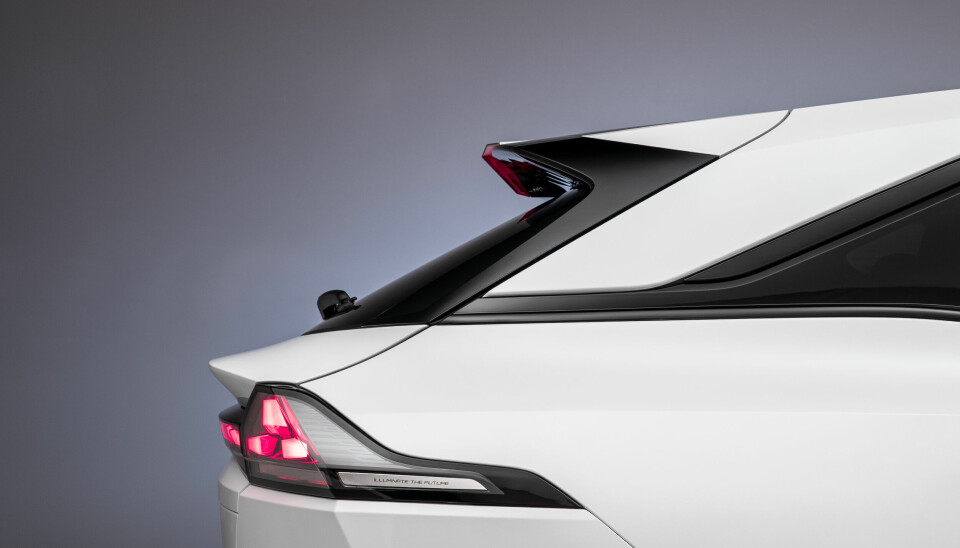
The larger purpose of the European studio is to blend European design maturity with the fast, highly competitive nature of the Chinese market. My responsibility is to keep that bridge strong, guide the creative output, make clear decisions when needed, and ensure that what we deliver is meaningful, executable, and consistent in intent.
CDN: How long has the company been designing in Europe for the European market?
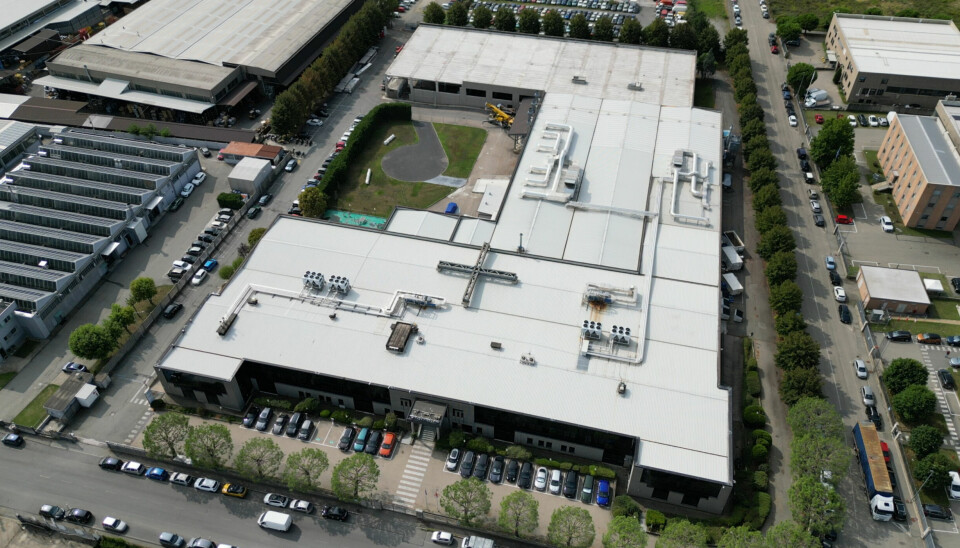
JHL: Changan established a permanent design centre in Turin back in 2011. At that time, very few major Chinese state-owned automotive companies had invested in a dedicated design studio in Italy, so it was a bold move and, in my view, a forward-thinking one. It showed a belief that if you want to grow globally, you need to be inside Europe’s design culture, not just watching it from a distance.
Today the European Design Centre plays an even more strategic role as the company prepares to enter the European market. Being in Italy gives us a particular vantage point: a mature design environment shaped by long traditions of proportion, form, and emotional expression. That perspective helps us shape proposals that feel globally relevant, rather than serving only one regional preference. There is also a practical advantage – with our teams distributed across time zones, development can continue almost around the clock. It keeps momentum and improves efficiency across the design process.
CDN: Can you give a brief outline of Changan's design DNA?
JHL: From what I have experienced, Changan’s design philosophy is genuinely human-centric. Across the group’s different brands, the core idea is consistent: design begins with people – their needs, emotions, unspoken expectations, and sometimes even the things they haven’t yet imagined.
Many companies say they are user-centric, but Changan’s level of commitment is unusually intense. The organisation puts a lot of effort into understanding how customers are changing, and into delivering not only what customers want today, but something beyond what they expect tomorrow. It is not just research for its own sake; the expectation is to translate that understanding into real products, quickly, without losing design quality.
Changan also embraces innovation, but with discipline. Innovation isn’t simply doing something different. The market is not that simple, and “different” can fail quickly if it sits outside an acceptable emotional or cultural range. What we try to do is push boundaries as far as possible while still keeping the design connectable and believable for customers.


CDN: Is it a difficult juggling act – pushing the technological boundaries while simultaneously making sure you are designing for specific human needs?
JHL: Finding that balance is not a one-time decision. It requires constant dialogue with the market, careful analysis, and the willingness to iterate again and again. And in practice, that becomes both a challenge and a reward for designers.
Another important factor is having an open internal design culture. The group has multiple brands, but designers are encouraged to contribute beyond their own brand through internal competitions. That openness brings fresh viewpoints into each program and helps prevent creative stagnation.
CDN: What are the current challenges for you and your team as exterior designers?
JHL: Every few years a new technology arrives and people say it will replace designers. When Photoshop became widespread, some predicted the end of hand sketching. When 3D tools advanced, people said clay modelling would disappear. When VR arrived, the same discussions happened. Now the conversation has moved to AI.
But history shows something different. These tools don’t remove the need for designers. They expand what designers can do. AI is a powerful tool. It can accelerate exploration, visualization, and iteration, and it will certainly improve efficiency. But it does not replace the human role in design. It cannot define meaning, context, brand values, cultural intuition, or emotional resonance. Those decisions still require judgment, and judgment comes from people.
So I think the real challenge today is not whether AI will replace designers, but whether designers can evolve quickly enough to use these tools in a smart and creative way. The designers who thrive will be those who can curate, direct, and interpret AI-generated output, just as earlier generations learned to use Photoshop, CAD, and VR. AI itself won’t suddenly become “the designer”. But designers who understand how to work with AI will become more capable and more efficient, and in the long run, more relevant.
CDN: Do you think Changan is in a unique position, bringing a very Chinese marque and design ethos to the European market?
JHL: We are definitely in a unique position. We want to introduce new ideas and new energy, but we want to do it in a way that is smooth and respectful, and that can integrate naturally into the European landscape. Our goal is not to be aggressive or disruptive for its own sake. This requires both humility and confidence. Europe has a deep automotive heritage, and we respect the brands that shaped it.


At the same time, we need to distinguish ourselves not only from European competitors but also from other Chinese brands that have already entered the market. We are observing both the successes and the difficulties others have experienced, learning from them, and refining our approach so we can avoid repeating the same challenges. Being a Chinese marque brings unique strengths.
The pace of innovation in China, the willingness to challenge conventions, and the maturity gained from designing for the world’s most competitive market all contribute to a strong design identity. These attributes help us stand out by offering European customers something genuinely new rather than a variation of what they already know.
Of course, it also creates challenges. We have to bridge cultural expectations, communicate our values clearly, and build trust in markets where Chinese brands are still relatively new. The key is finding harmony: staying true to our design ethos while ensuring our products resonate with European sensibilities. To me, this is not simply about placing a Chinese brand into Europe. It is about creating a dialogue between cultures, design languages, and customer expectations. If we do it thoughtfully, it can lead to design outcomes that feel truly original.