Car Design Dialogues Detroit 2026
Design beyond automotive: How outside influences shape compelling products

Design leaders from General Motors, Mazda, Lincoln and Gensler discuss how architecture, fashion, human behaviour and more are influencing the next generation of automotive experiences
Automotive design has always drawn inspiration from the world beyond the car. Be it materialistic interests – watches, jewellery, fashion – or more meaningful themes around wellness, connection and even neuroscience, designers are finding new ways to connect customers with the wider brand ecosystem.
To dig into their own inspirations and more, CDN was joined live in Detroit by:
Christine Park Cheng, global design director at Lincoln
Rebecca Waldmeir, senior design manager – corporate brand environments, graphics, outreach and heritage at General Motors
Jacques Flynn, senior design director at Mazda North America
Lily Diego, creative director and building transformation and adaptive reuse leader at Gensler

Inspiration is quite a nebulous term and can be applied in various ways in this context. Designers can take direct visual references from other industries, and indeed Mazda's Flynn recalls translating certain proportions, shapes or materials into automotive design earlier in his career. Now, he is more interested in the workflow of other creative disciplines.
“Nowadays, I look a lot at how different processes can inspire the way we do things in the studio,” he explained. “Things like upcycling: how can something like that make its way into automotive, where we're obviously manufacturing for volume? It's really the full gamut of inspiration, from the more literal to the process behind things.”
I'd love it if one of my designers said, ‘From this music, I was inspired to do this solution for a car interior'
There is an important distinction between directly translating an aesthetic (which can be useful) and drawing more abstract references.
“The more abstract and the more weird the inspiration is, I think the more creative freedom that opens up,” Flynn continued. “You don't get into the trap of asking whether we're just recycling something for car design. I'd love it if one of my designers came into the studio, played us a song and said, ‘From this music, I was inspired to do this solution for a car interior.’”
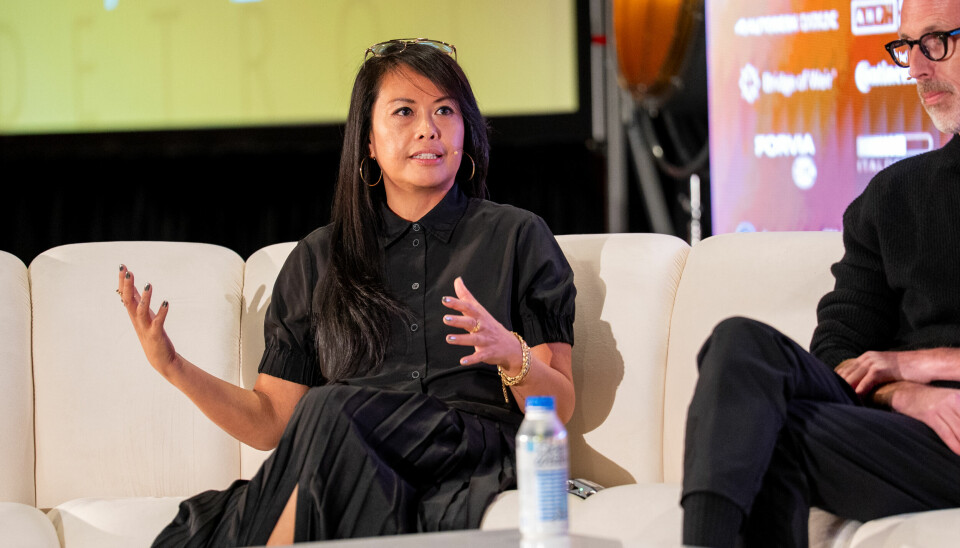
For Diego, whose work spans buildings and their surrounding environments, inspiration starts with the human condition. Her original interest in medicine eventually led to an understanding of how surroundings affect people's feelings and behaviour.
“I always go to that sensory element first: how does it feel? What are the light qualities? What is the touch of certain materials? What is the scent within the space that provides that ambience? Those are the things that inspire me.” Important considerations for a car brand, of course, from the car as a ‘space’ to bricks and mortar dealerships and corporate buildings.

Designing an experience, not just a car
Indeed, car design has never been more closely associated with the term ‘experience’ and for Lincoln’s Park Cheng, design teams should have a deep understanding of what a brand stands for. From there, they can think about shaping how customers should feel.
At Lincoln, the ambition is that people should leave the car feeling better than when they got in. That principle informs everything from the atmosphere of the cabin to the features designed to help occupants relax. “There's a goodness behind the brand,” Park Cheng explained. “There's a sense of positivity that we want to bring to our clients. How do we create an environment, a space, a vehicle where you can step in and really feel recharged and rejuvenated?”
Her team has indeed taken that thinking beyond the vehicle, applying the same principles to the ‘Lincoln lounge’ in its headquarters and also the static ‘Rejuvenate Pod’. Both blend automotive, architecture and wellness.
Waldmeir is very much of the same view and has in fact worked with Diego and the team at Gensler to create Entrance 1, a public-facing space that aims to bring visitors closer to GM's products, history and relationship with the Motor City. Visitors to CDD Detroit would likely have experienced this on their way into the venue.
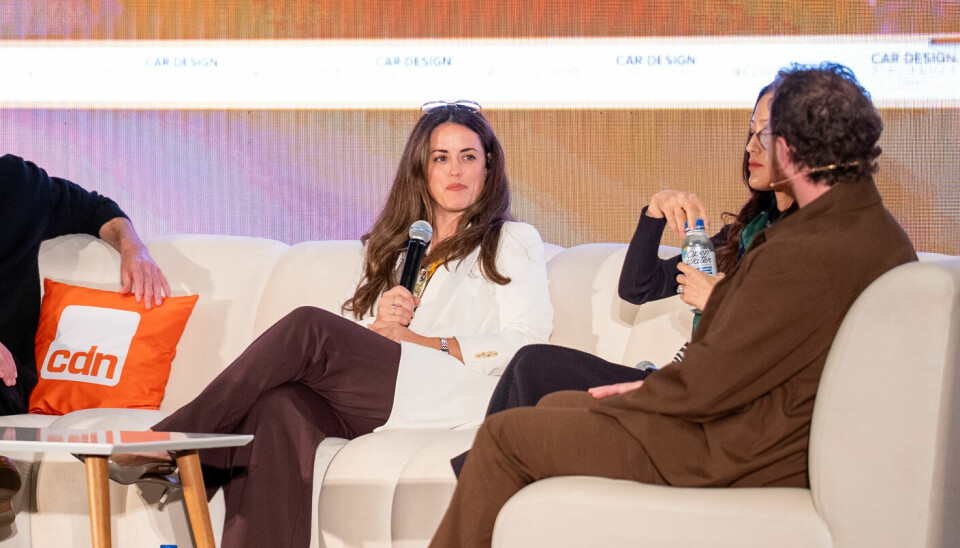
“We want to invite people in and really tell stories. We're making connections about GM's commitment to Detroit, to the community, to design and to innovation,” Waldmeir explained. “How can we bring that experience to people so they can get up close with the product and our stories?
Entrance 1 currently features an Art and Cars exhibition that includes contemporary work from Detroit artists alongside three GM show cars – including the remarkable Buick Wildcat and Cadillac Sollei. Taking the space as a whole, passers by (and visitors) should get a sense of what those brands are all about – creativity, innovation, luxury, presence.
“We really want to tell stories that people take away with them,” Waldmeir continued. “First you see the vehicles on display, then you start to look at some of the art, and if you dig into it you feel those wider stories.”
You can look at a vehicle as a smaller-scale building
What about more literal influences on the car? The similarities between buildings and vehicles are fundamental: both create enclosed volumes, and both influence how people feel through the way space, light and materials are handled.
“You can look at a vehicle as a smaller-scale building,” said Diego. “It's about experience and how that space makes you feel.” Flynn agreed and spoke of the relationship between architecture and Mazda's approach to exterior surfaces. He takes particular inspiration from Japanese architect Tadao Ando's treatment of light as a component.
“Mazda's design language right now is about reflection-based surfacing and the flow of light,” he explained, “looking at a car and seeing how, at every angle, it reflects something very different and starts to pull you in. It's that emotional attachment – less strict and mechanical, and much more organic.” The design of Mazda’s studios, he added, follows a similar thinking.
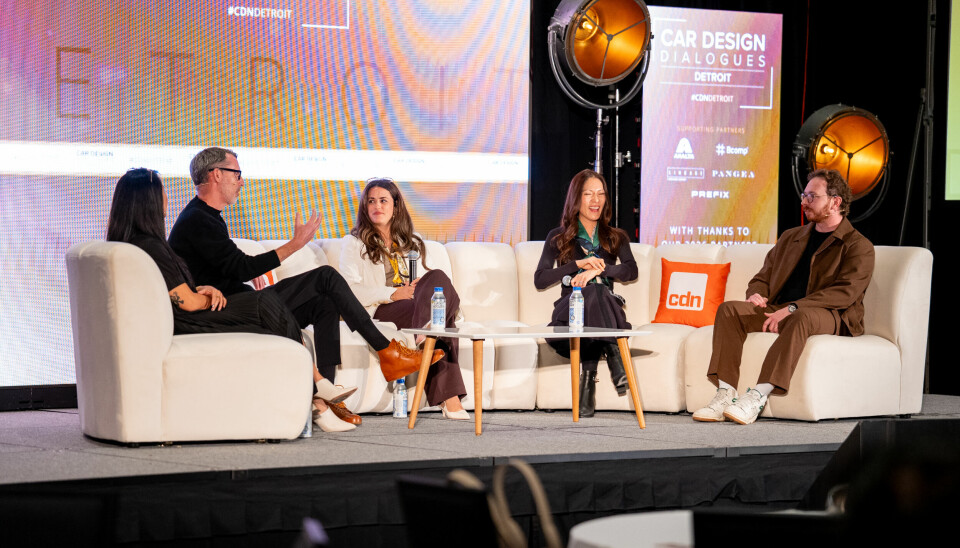
Outside inspiration is also changing how design teams are organised and ‘built’, with a mix of backgrounds in spatial design, graphics, photography, events and other disciplines. Different perspectives all feed into the same conversation and ideally lead to compelling new offerings.
Waldmeir’s career is a strong reflection of the ‘threads’ that run between disciplines, from interior design and CMF into digital interfaces and architectural environments. And, underlining the strength of those threads, she pointed out that each transition did not require a new degree. “I didn't go back to school every time I changed my role. I'm always learning and being challenged to execute the vision we're putting together.”
We pause, discuss what's happening and just inspire one another. It's so important
Like others on the panel, Flynn uses a shared digital moodboard where designers can exchange references and discuss ideas. That collection of images ultimately stokes healthy debate. “The worst design review is the one where everyone's like, ‘Yep, looks great.’ That's not a good design review. You need healthy debate and the challenge of ideas,” he affirmed.
Park Cheng also encourages her team to set aside time each month to discuss developments in design, from international fashion shows to modern art fairs like Art Basel. Those snack-fuelled sessions provide an opportunity to step away from day-to-day responsibilities and explore what is happening beyond automotive. “We just pause and have a discussion on what's happening and just inspire one another,” she reflected, “and I think that is so important.”
The bigger picture
The team at Gensler recently carried out research into the strength of urban centres, and found Detroit to have a particularly high ‘Stickiness Score’ – when people visit, they stay. Extending that thinking to car design, what can brands do to boost their own ‘Stickiness Score’?
One takeaway is that engagement depends on more than a product's immediate appeal; Flynn described Mazda's ambition to build an enduring connection throughout the customer journey, from initial interest in the brand to the long-term ownership experience.
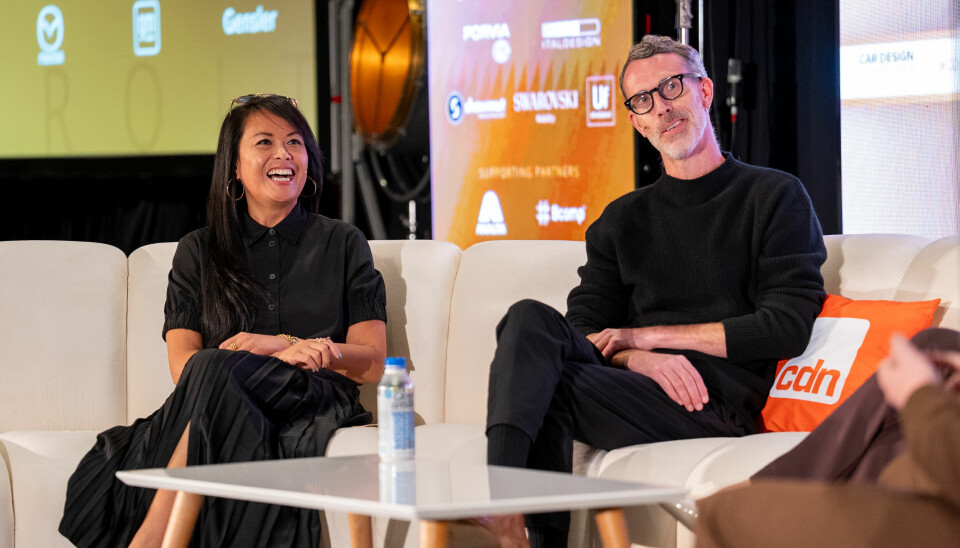
Across architecture, automotive design and urban planning and indeed into those materialistic ‘objects of desire’ like watches, tech and jewellery, the common thread is a focus on people: how they feel, what they value and the experiences that encourage them to return.
As the boundaries between design disciplines continue to blur – Big Tech looking like the next big influence – the car designer's role is evolving. Not only must they look at four-wheeled products from their direct competitors, they must also consider how to create an experience and strengthen that connection between brand and buyer. While the panel did not touch on homogeneity in car design, it might serve design teams well to explore new fields to set themselves apart from the rest of the market.