An Opel stalwart
Interview: Richard Shaw, Opel interiors chief
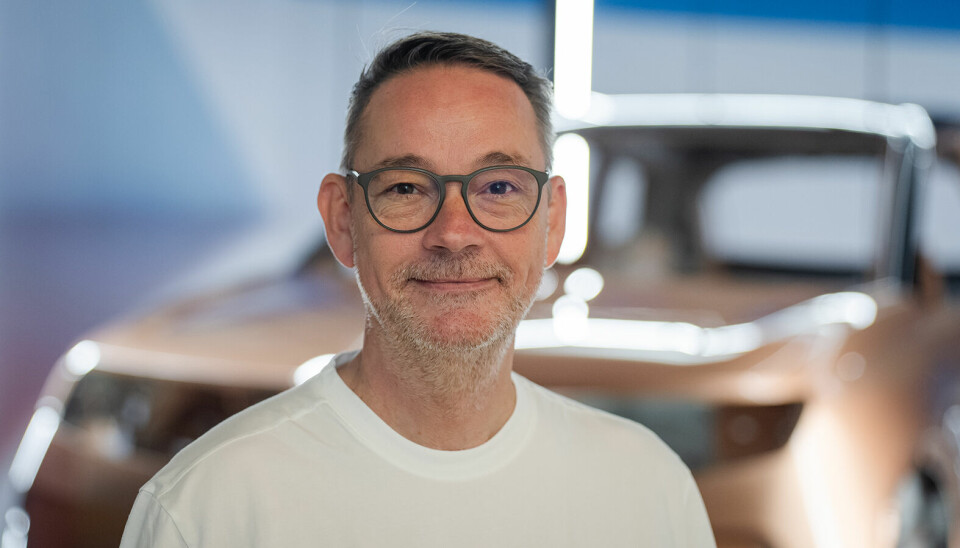
Car Design News speaks to Opel design stalwart and current interiors chief Richard Shaw
Car Design News: When did you first join Opel?
Richard Shaw: While I joined officially in 1988, I did an earlier internship here in 1987.
CDN: You must have seen a lot of projects over the years. Any standouts?
RS: Many. The first Tigra was a blast.
CDN: Tell me about that. It’s such a striking car.

RS: It was a great project. It came from nowhere. Before the team assembled, everyone was asked to sketch. Anything — sketches over coffee, whatever came to mind. After a couple of weeks, we covered the wall with them. Two key figures then came in, Frank Saucedo, who was running the VW show, and Ken Okuyama.
Ken would be in the studio at 4am. The model shop would bring in a clay buck, and by the next morning half of it had been reworked by Ken overnight. Crazy.

The Tigra was a great project because the team was small, passionate and empowered. I mainly worked on the interior. It was me, one other designer, two engineers and some platform partners. A very small team, and the project just took off.
CDN: What was your approach to the Tigra’s interior?
RS: The interior was essentially a quarter instrument panel. The rear area was interesting because the seats were formed from the carpet. There weren’t traditional seats, just a moulded carpet with two cushions. The backrest was two plastic shelves with cushions attached.
CDN: What was the thinking?
RS: Minimalism, lightweight, doing something different instead of a big lump of foam in the back.
CDN: More integrated into the form?
RS: Exactly. I’ve always liked bringing those worlds together. Cars are unique among products, they have an inside and an outside. Most products don’t. That connection is important.
CDN: How is Opel interior design evolving? Where are you now, and where are you going?
RS: Bold and pure is our foundation. Detox is important too, simplification. Life isn’t getting easier. We’re bombarded with information. Cars shouldn’t add to that. Information should be clear, detoxed, understandable.
Touchscreens are fine, people like them, but if all you want to do is change the volume, you shouldn’t have to dig through menus, especially when you can drive 500 metres, join an Autobahn and suddenly you’re doing high speeds. It’s like Formula One, press a button and you’ve covered a mile. That’s why head up displays are so important. Once you’ve used one, you don’t want to go back.

CDN: Do you think screens will become less of a feature in future?
RS: Hard to say. Legislation mandates a lot of information. But there’s also entertainment, especially when charging an EV. People may want to watch something in comfort.
CDN: What about the car as a third space, like we see in China?
RS: It depends where you are. In Germany, outside major cities, public transport is limited. People still need personal space. Driving habits have changed since Covid too, more home office days, emptier car parks. That affects design indirectly.
CDN: There was a belief that young people no longer cared about cars.
RS: I don’t see that. Younger people still want cars, often the cars their parents had. They buy them, look after them, restore them. Nostalgia is strong.

CDN: What creates emotional connection in interior design?
RS: Hard to define. But you want comfort, not just physical but emotional well being. You want an experience. Things should look good, feel good, smell good. Materials should be high quality. Tactility, how the wheel feels, these things matter. But ultimately it has to hit you emotionally.
German and British design instincts are quite similar, inventiveness, quality, rule breaking when necessary
CDN: Tell me about sustainable materials in the Astra.
RS: Sustainability touches everything now. Often you can’t see the difference between sustainable and non sustainable materials. Early sustainable products had that eco look, but now many are premium. Bamboo fibres can feel like cashmere. We use recycled and recyclable materials. A lot of sustainability is invisible, soundproofing, internal components. We’ve done that for years. Mono materials are important too, making recycling easier. Sustainability should be a given, not a marketing point.


CDN: You mentioned chrome earlier as something being phased out.
RS: Yes. For us, light is the new chrome. People like a bit of jewellery on a car, but light lets you create identity without environmentally problematic processes. Daytime running signatures give recognition both day and night.
CDN: Light identity is fascinating. How did that approach develop?
RS: It comes from our compass theme, horizontal and vertical lines converging around the badge. Aesthetic focus. The brand sits at the centre of those crosshairs. This principle runs through our show cars and production cars, Experimental, Corsa, and more to come. It is a creativity driver and a brand anchor. The north and south elements of the compass are unique. You immediately recognise them in your rear view mirror.
CDN: It feels like a strong period for Opel design. Do you feel momentum?

RS: Yes. When we left GM, we went from designing global products, Opels, Buicks, cars for China, to being the only German and British brand in a very French PSA group. Corsa had to be re-designed rapidly on PSA architecture.
Then the GTX Concept became the Mokka. Those projects were the clean sheet where we asked ourselves, who are we? German and British design instincts are quite similar, inventiveness, quality, rule breaking when necessary. Now within Stellantis we sit alongside French, American and Italian brands, but our dual German and British identity gives us a unique position.
CDN: Does that give you freedom to push the envelope?
RS: Yes. Our design mindset is quite clear. British and German design is straightforward, emotional, enduring, not fashionable throwaway. We develop our portfolio rather than reinventing everything each cycle. We avoid the Russian doll effect. We want family resemblance, siblings, not clones.
CDN: Every family needs a mad uncle.
RS: Exactly.