Car Design Dialogues Detroit 2026
Jason Song receives Automotive Hall of Fame Global Scholars Award at Car Design Dialogues Detroit

The College for Creative Studies transportation design student was recognised for his creativity and potential, before joining senior figures from General Motors and CCS to discuss the future of automotive design
Jason Song, a transportation design student at the College for Creative Studies (CCS), was presented with the Automotive Hall of Fame Global Scholars Award at Car Design Dialogues Detroit 2026.
Presented in partnership with CCS, with support from GM Design and the Ralph L. and Winifred E. Polk Foundation, the award recognises emerging talent demonstrating creativity, originality and the potential to make a meaningful contribution to the automotive industry.

"Jason's work reflects a thoughtful, user-focused approach to mobility, combining creativity with purpose," said foundation representative Ryan Polk, presenting the award.
Following a highlight reel of Song's portfolio, the student joined Crystal Windham of General Motors and Paul Snyder of CCS for a closing discussion moderated by Car Design News, exploring the opportunities and challenges facing the next generation of automotive designers.
Despite uncertainty surrounding the industry, Windham was unequivocal in her encouragement of young creatives getting into car design. "I would absolutely say go for it," she said. "If you look at how mobility has transformed over the years, that will continue on a global scale."
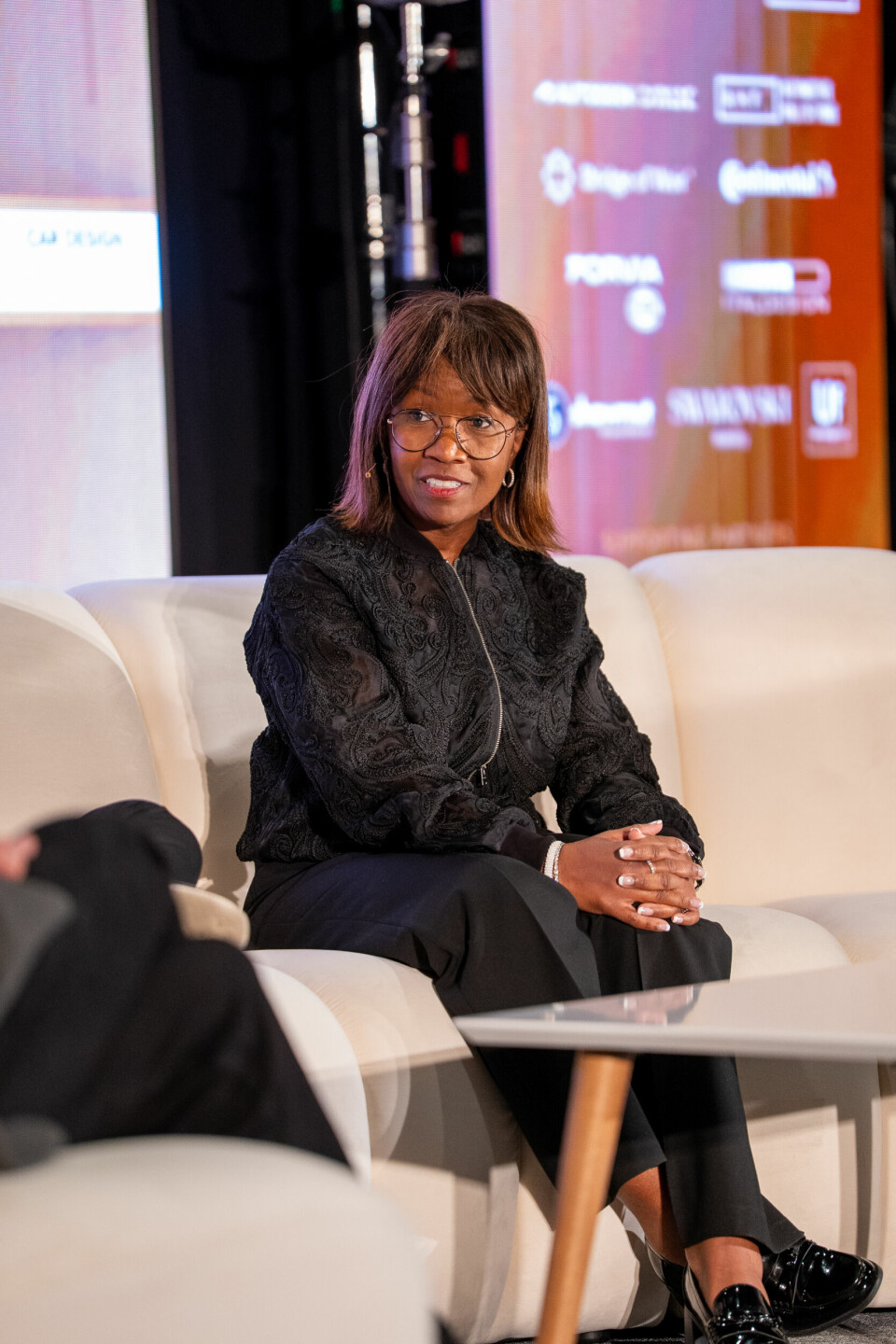
Song, who recently completed an internship with autonomous mobility company Zoox, agreed that the profession was changing rapidly.
"Designers are no longer just thinking about designing a pretty object, it goes beyond that, and it's all about thinking about the user experience," he said. "I think the role gets much broader. So it's definitely a really interesting time to start a career."
The discussion also considered the growing influence of artificial intelligence on design education and practice. Snyder praised Song's ability to combine traditional design skills with AI-assisted storytelling, pointing to a recent Toyota project in which the student had used the technology to communicate his ideas without compromising their originality.
"When you presented that we were blown away at how you maintained the authenticity of your concepts, but leveraged AI to tell the story in such an impactful way," Snyder told Song.
Song explained that AI had allowed him to develop more compelling presentations while keeping the creative process rooted in traditional sketching and ideation.
"We didn't really dilute the ideation process with AI. We were still sticking to sketches and using our own hands for coming up with the designs," he said. "But at the end, it was really an amazing tool for us to dive deep into the storytelling."
Windham reinforced the distinction between technology and creativity. "It does not replace good purpose in your designs, the judgment, the empathy that you will have in problem solving and really understanding the user experience," she said.
Snyder also reflected on the balance between nurturing creativity and preparing graduates for the practical demands of industry. While employers consistently highlighted feasibility as an area where students needed further development, he maintained that traditional drawing skills and aesthetic judgment remained fundamental.
"Through learning how to draw, you're also studying aesthetics and you're developing your judgment and your taste," he explained. "It's not something that you're just born with necessarily."
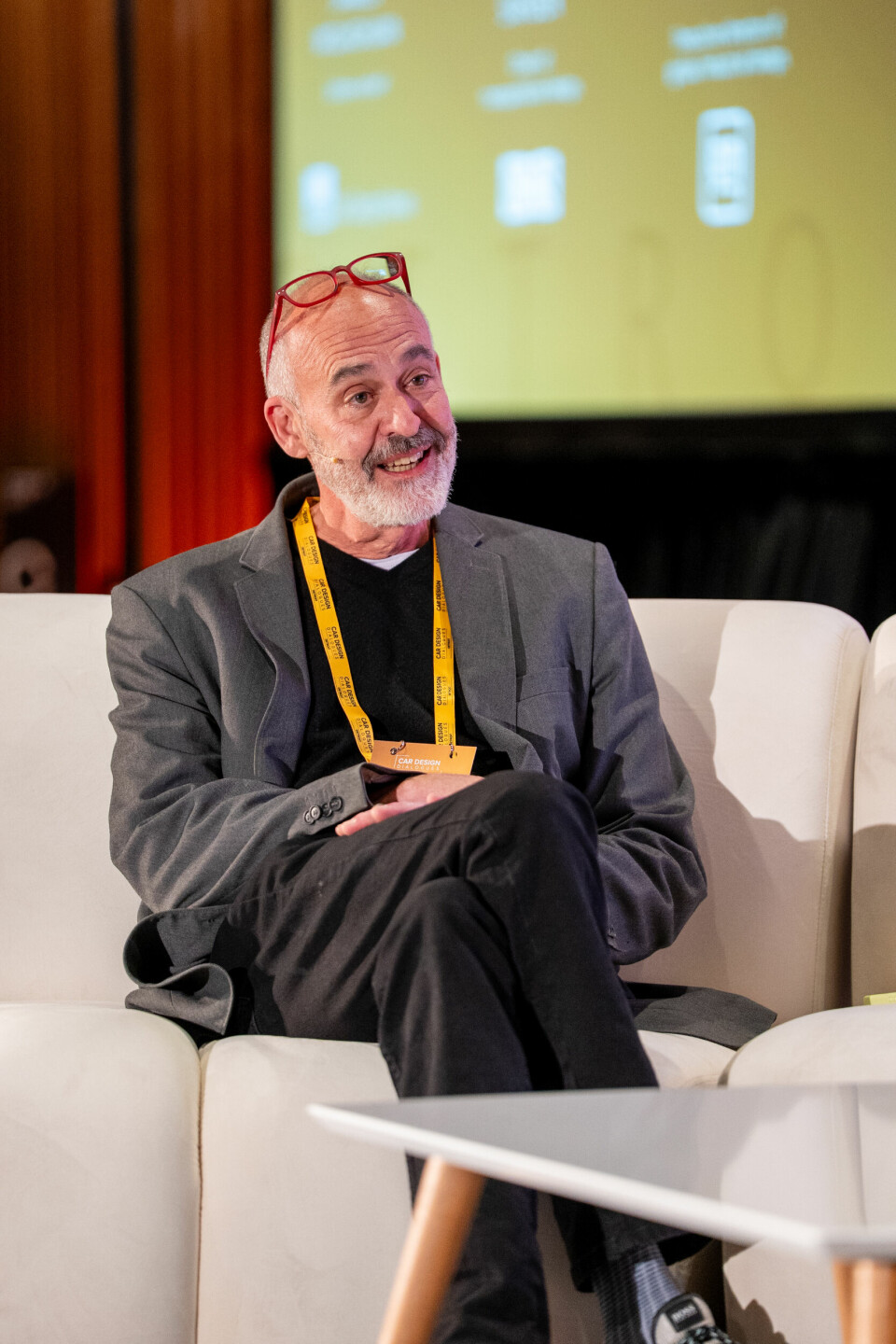
The conversation concluded with each panellist identifying the qualities they believed would endure regardless of technological change.
"Two words, kind of the different sides of the same coin. It's care and it's empathy," said Snyder. "Now it's more important than ever that we really drill down into humanism and empathy for one another."
For Song, curiosity was paramount. "Being creative is always about asking questions. Thinking about why does this look this way? Is there something we can do better?" he said. "And also, I think it's about not being afraid to make mistakes because sometimes the best ideas come out of mistakes."
Windham agreed, adding the importance of what she called "humble confidence" – being open to feedback, new technologies and continued learning throughout a design career.
For Song, whose portfolio includes sponsored projects with major manufacturers, the award marks an encouraging milestone at the beginning of his career. The discussion also offered a broader reminder that, while the tools of automotive design continue to evolve, curiosity, empathy and creative judgment remain fundamental to the profession.