Interview
Lancia design boss on product design, architecture and the new Gamma

Lancia design boss Gianni Colonello explains why architecture is such a rich source of inspiration for the new Gamma – and for the brand at large

Published
A recent visit to Turin led to a lengthy conversation with Lancia's design boss Gianni Colonello. Standing beside the new Gamma in fetching 'HPE' trim, we picked his brains on what lies in store for the brand and how this new generation came to be.
The discussion meandered into auxiliary themes of architecture, product design and home interiors, and addressed a lingering question: what are the defining design cues of a Lancia through the ages? Below is an overview of that chat, edited for brevity.

Car Design News: How does it feel having Lancia back in the conversation?
Gianni Colonello: One side to that answer is totally personal because I was always a Lancia fan. I was raised in a family where everyone loves Alfa Romeo but I was the only one in love with Lancia. I don't know exactly why. So for me personally it's incredible because I always wanted to do this job.
Lancia was going be phased out with the previous generation Ypsilon, but when Stellantis formed there was the idea to bring it back. I was super enthusiastic and told my boss at the time, Jean-Pierre Ploué, that I wanted to be part of its re-launch. He waited 24 hours and called me back, okay, let’s do this. And that started something very interesting.
Look at the Aprilia, the Flaminia… All these cars have an architectural construction
CDN: From my perspective, Lancia’s design feels the most distinct of the brands under the Stellantis umbrella. Tell me about your approach to its revival.
GC: At Stellantis we need to ensure every brand has a different identity to avoid overlap. Sharing parts and platforms is common in the industry today, and the risk is that objects overlap in terms of design. To avoid that we form a design DNA – or design ambition as we call it – that sets the intention of what want to preserve for your brand. What is your inspiration? What do you want only for your brand and for nobody else? This was very, very exciting because it usually takes months to be done, but in just one month we clearly set what we wanted for this brand.


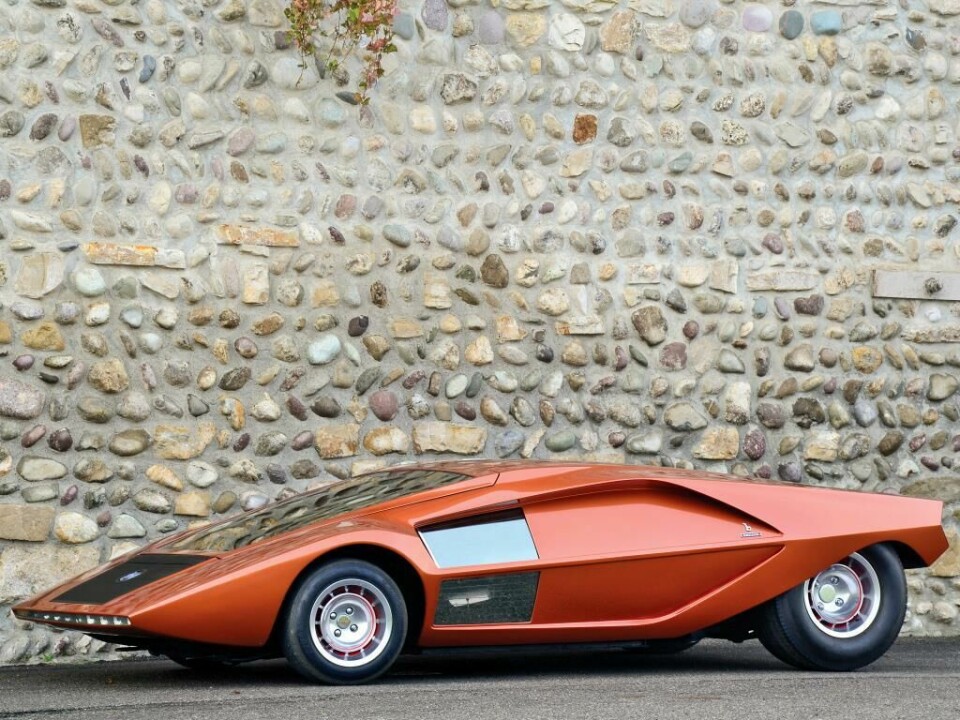
CDN: Does that relate to the five pillars of inspiration we saw earlier on screen: fashion, furniture, product, architecture and quite specifically, the Stratos Zero?
GC: Yes, those five pillars are a part of that DNA for sure. Lancia has always been contemporary, not necessarily futuristic, but fit for the moment in time that the car comes. In forming those pillars of inspiration, it was difficult to find clear elements of Lancia throughout its history on the exterior and on the interior.
CDN: I was struggling to think of typical Lancia design cues…
GC: We do think we’ve found something that underpins every Lancia. If you look at the Aprilia [1937-1949] for example, it is like an architectural piece, and the same with the Flaminia. All these cars have an architectural construction and it's even clearer if you compare with other cars from the same period. You're almost reading the structure behind the body. And on the interior, you don’t see these design cues that are almost repetitive in a way that they became a statement for the brand. The interior of Lancia is more elegant and contemporary and goes deeper than single iconic elements.

CDN: Ok, so it is less about transplanting a certain shape or motif, more about continuing the Lancia ‘mentality’?
GC: Yes, it is about creating something that looks totally contemporary. Look at the product design pillar, for example. With the Trevi [1980-1984], Mario Bellini took the approach of a calculator, in terms of clarity, and brought to the car. It's totally logical and only Lancia could do something like this. Think about the seats of the Lancia Gamma Coupé, they look like two armchairs from a late ‘60s Italian home. These are not so much ‘automotive things’ and that’s why we don’t think about “do we need to do this circular or square element” and more about bringing rationality to something that somehow looks irrational.


CDN: So if someone says, “that doesn't look like a Lancia,” your reply is “well, what does a Lancia look like?”
GC: Exactly. That will be my answer. Lancia is an eclectic brand in how it approaches design, but there are of course some cues, like the flowing line that goes down the bodyside. That was present from the Aprilia to the Aurelia to the Ypsilon of the 2000s, so we decided to keep it there. But then again, the Delta doesn't have anything like this. It’s a complicated brand, so depending on which car we are doing, we take the elements that respect its heritage. Honestly, we are trying to be a little less superficial than just repeating some stereotypical shapes.
CDN: The new Gamma does make a nod to louvres over the rear window, which feels like a familiar feature. But instead of horizontal they are now vertical – and only go up so far…
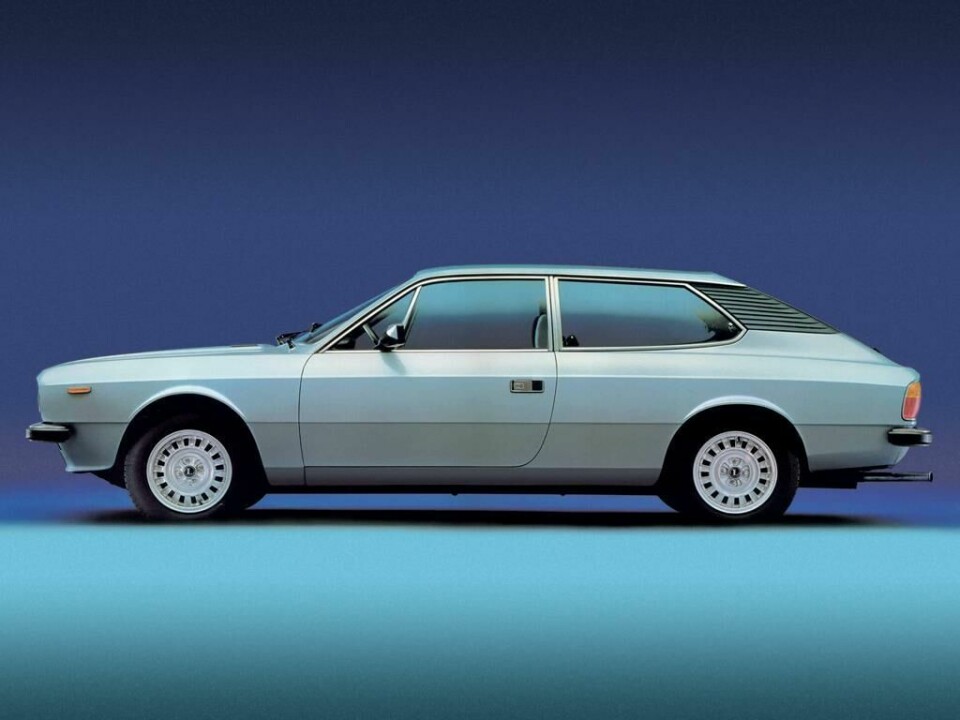
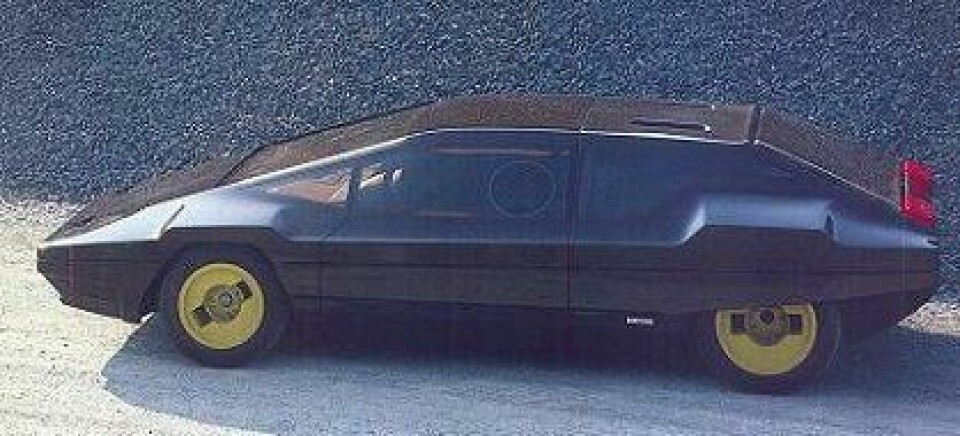
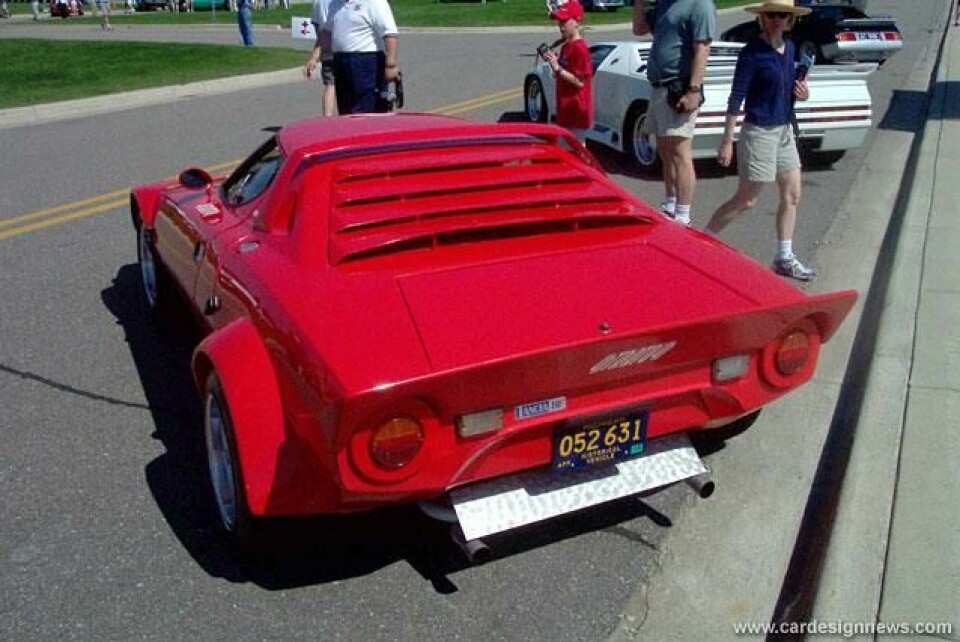
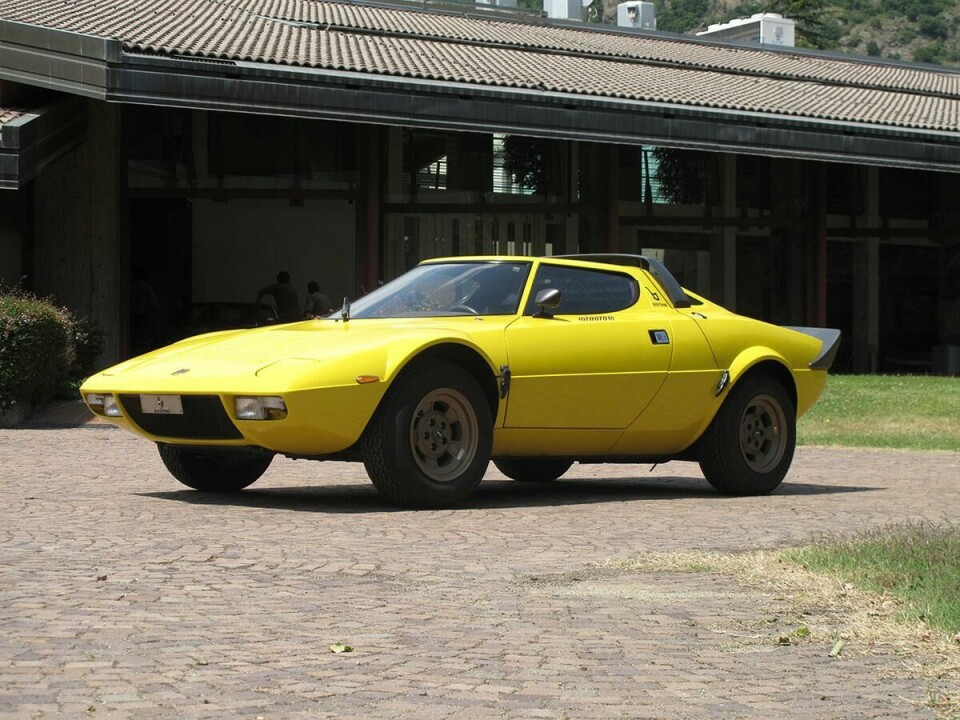
GC: Louvres served a function on the older cars. On the Lancia Beta HPE, they reduced the amount of sun radiating on the head of the passenger in the back. I have one, so I know. On the Stratos, it was more or less the same (for driver and passenger up front), and on the original Gamma there were louvres with a separate piece of glass behind – the most complicated thing ever – but it was a way to split things up. So they were functional, but also served as a design element. With the new Gamma we basically did the same approach. The louvres aren’t ‘needed’ so we reinterpreted them in a way that was right for this little detail to be there. We did try them horizontal but it was super crowded.

CDN: Then there is the door handle in the C-pillar.
GC: Lancia was one of the first brands, if not the first, to introduce this. Everyone remembers the Alfa Romeo 156 but before that there was the Lancia Ypsilon, a three-door with the handle on the B-pillar. Adding a handle on the door with the new Gamma kind of disturbed things, so we put it in the C-pillar which is actually very typical for Lancia – the Flaminia Coupé has it, the Musa has it…
Designing a beautiful car is actually not that difficult… something that has soul, character and spirit is a little more complicated
CDN: You specialised in interior design at Maserati before taking the top design job at Lancia. Did that influence your overall approach?
GC: There are of course clear differences, but to be honest there is something common between the two jobs. Your instincts can be similar. Right now I am actually more focussed on the exterior and leave the interior mainly to the team.


CDN: How big is the team?
GC: Here in Torino we have around 12 designers. It’s a dedicated team like every brand in order to preserve the ‘flavour’ of our approach.
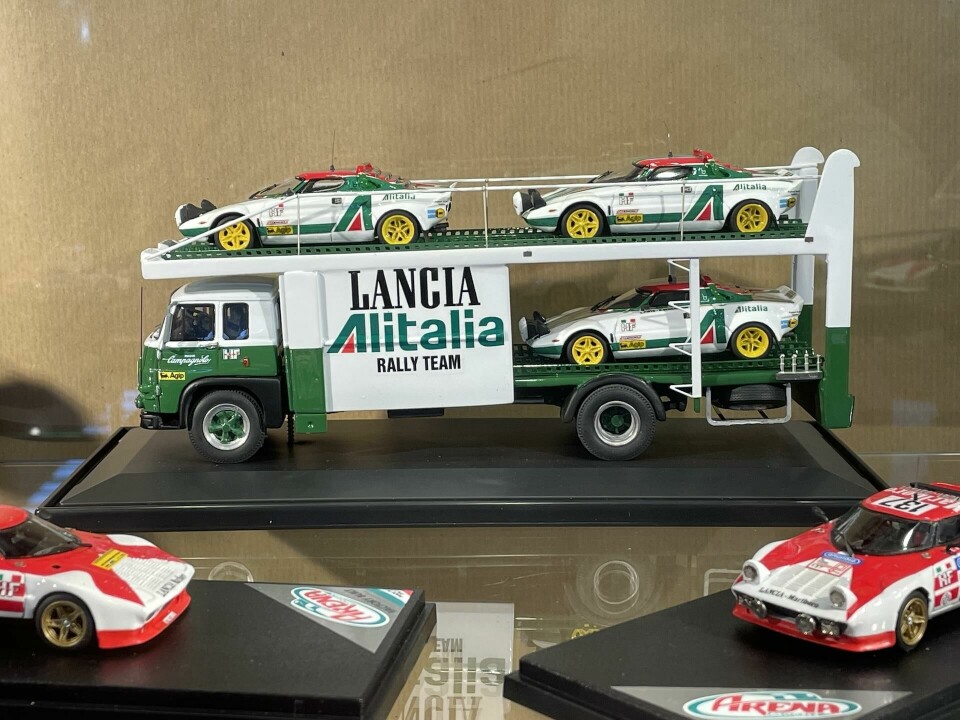
CDN: Lancia seems to be doing well on the rally stage. Does that – plus the brand’s obvious heritage there – influence how you shape this new era of Lancia? Does it push you to be a little sportier?
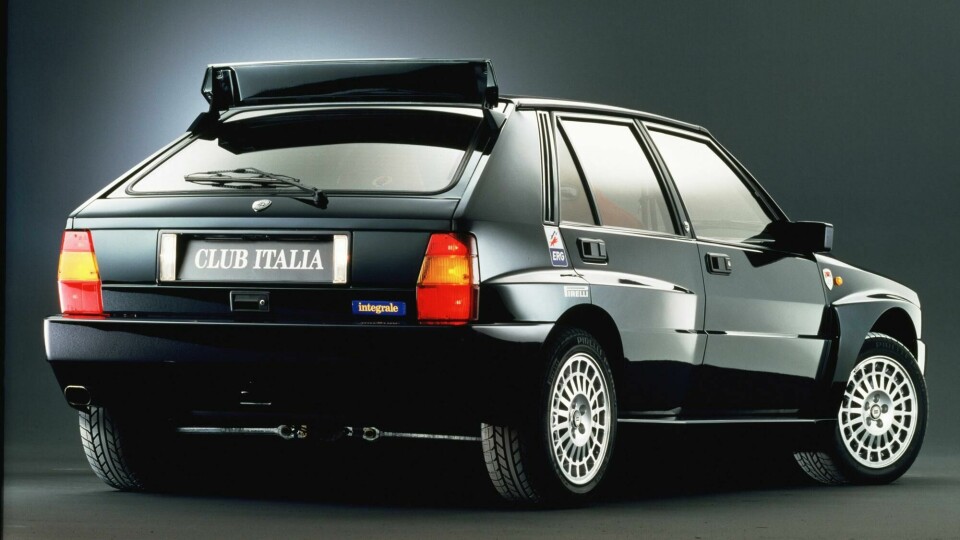
GC: Lancia’s heritage is so rich that we need to make interpretations of it. To treat the Gamma like the Delta Integrale would be nonsense, for example, but for sure this history is something we keep in mind. The idea for the Gamma, and the Ypsilon as well actually, was around contemporary and technological performance. Remember that designing a beautiful car is actually not that difficult, but designing something that has soul, character and spirit is a little more complicated.








CDN: Germany has a reputation for speed but Italians like to drive quickly too… Does ‘Gianni the driver’ have any interest in working on a grand tourer or sedan for motorway blasting and long-distance travel?
GC: There are things going on in our heads, on our computers, on the wall of the studio… But not everything can make it to production. The spirit of those concepts might do, just with a different theme. Who knows. But this is not a big segment, and while we always want to do something unique and special, for now we need to be in the segment that has the most potential. It’s still a business.
CDN: Lancia is one of various brands under the Stellantis umbrella. Does it feel like you are part of something bigger or are you left to your devices – almost like the landlord who lets you decorate the rented apartment how you wish.
GC: Hmm…
CDN: …in which case, I suppose Gilles Vidal [head of design for Stellantis’ European brands] would be the landlord in this analogy!
GC: [Laughs] I must say, I never thought about him like that… In general, it's impossible to ignore that we are part of something bigger. At the same time, day-to-day we have our own space, we don't share with anyone else and our designers are dedicated to Lancia. If I came in one morning and said, “you need to start designing for another brand”, they would not be happy about it. Not because they don’t like the other brands, but because they feel connected to Lancia. I suppose in answer to your question, we are both a big company but also a very cohesive, compact team.