Student design work
Umeå UID 2026 degree show highlights
Car Design News shares a selection of mobility projects on show today at the Umeå Institute of Design

We are well into degree show season now, and the latest comes from northern Sweden where students at the Umeå Institute of Design are presenting work from the Transportation Design course. Car Design News was granted early access and can share an overview of numerous exploratory projects below. In many ways, it will be their first taste of Advanced Design work, which is CDN's focus topic this June.
To explain what the Umeå students were tasked with, we spoke to course leader Jonas Sandström, a former Toyota, Honda and Volvo Trucks designer, who noted that they have "considerable freedom in defining their thesis projects." Indeed, it is very much a case of taking the initiative and leaning on their own interests and skills, with course staff guiding them along the way. Oftentimes, support will come from within the industry itself, with many students finding an OEM or Tier partner.
"Each student identifies a relevant topic and formulates a research question that guides the design process," explains Sandström. "The projects are conducted over a 20-week period and are assessed through a presentation and written project report. The course aims to enable students to demonstrate the knowledge and skills required to work professionally as transportation designers. To meet the Expected Learning Outcomes (ELOs), students must independently plan and conduct their projects, apply appropriate design methodologies, and maintain a strong user-centered focus throughout."
From CDN's previous experience on the ground at Umeå, the execution is at an extremely high level all the way from initial artwork and storyboarding to the finishing of scale models. As is increasingly the case, students are also confident and able to express their motivations calmly and concisely. The latest batch of work seems to continue the trend.
ANURA by Love Björklund
This twin-cab pick-up concept proposes a self-sufficient vehicle for rural Scandinavia in the year 2040. It is designed to work without internet connectivity and for easy repairs on the go, with guiding principles of resilience, transparency and right-to-repair in future mobility. (The latter is of particular interest to this writer.)
" In rural Scandinavia, where the way of life depends on personal capability and community cooperation, modern vehicles are moving in the opposite direction," Björklund says. "They are becoming more connected, more automated, more dependent on authorised service, and less willing to let the driver do what the driver knows how to do."

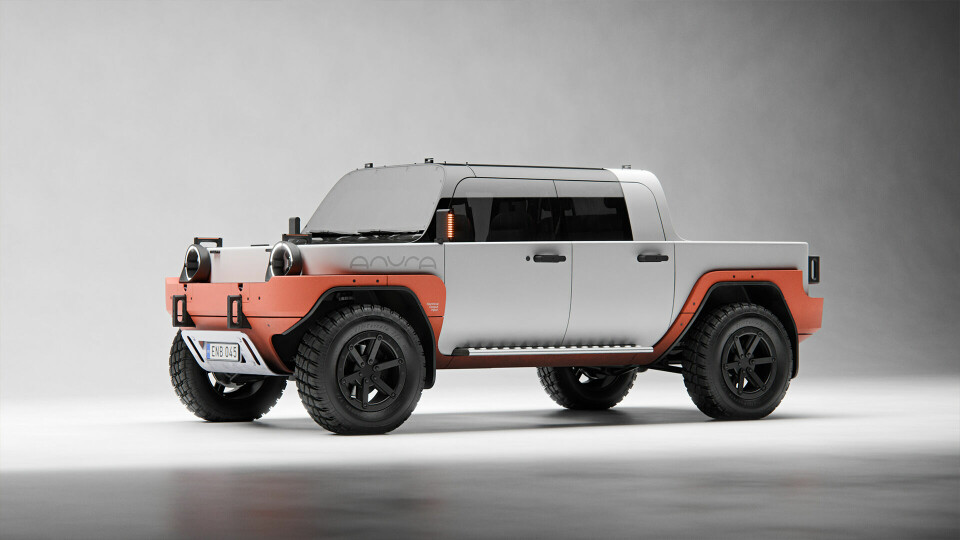




The designer conducted a focus group with rural residents in Sweden, with seven of the eight interviewees reporting frustrations with their modern daily driver: the vehicle overriding the driver, the vehicle requiring connectivity for basic functions, and the vehicle requiring authorised access for any repair.
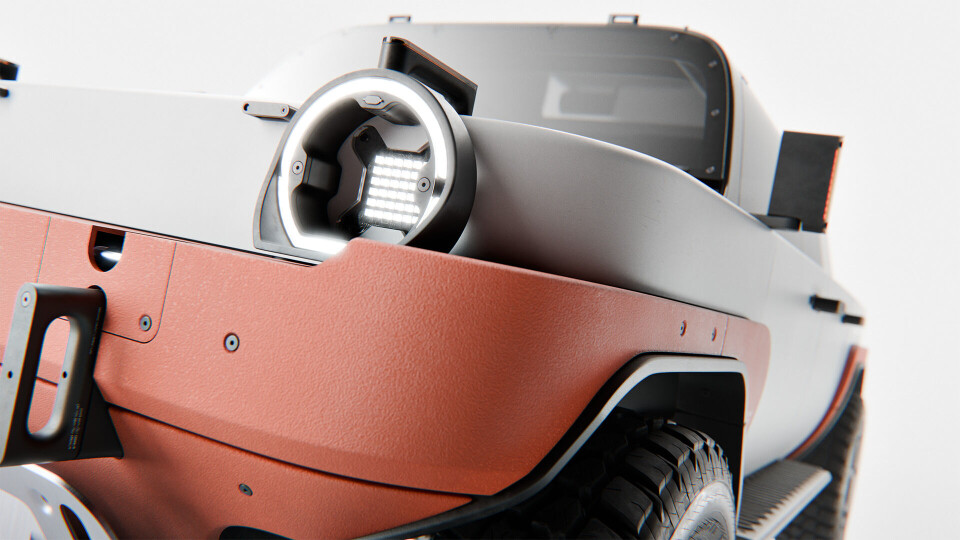
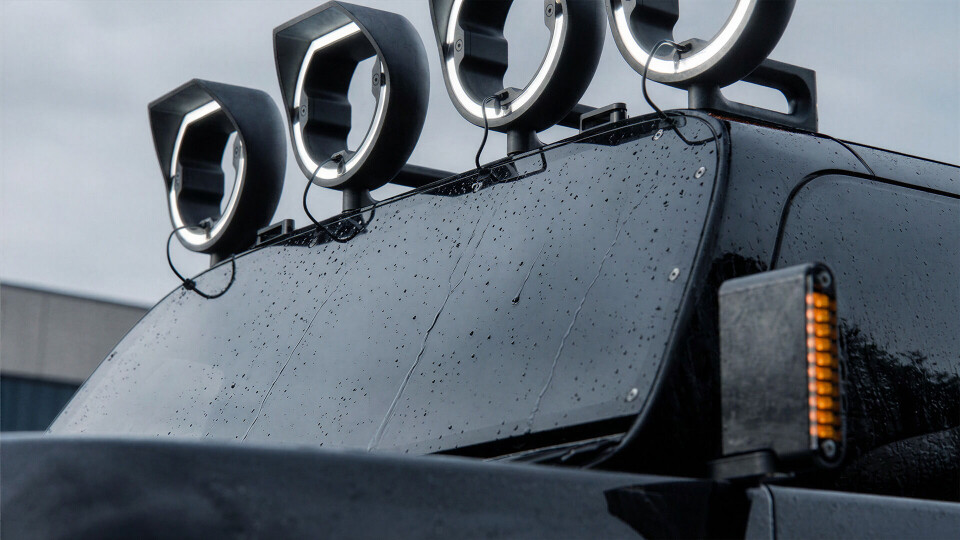
To address this, Björklund proposes a simplified body structure with repeated use of common components. "The vehicle is built around a single small handle: two mounting holes seventeen centimetres apart, with a third opening that works as a grip, a strap point, or a pulley mount," he explains. "That spacing became the structural grid of the entire vehicle. The body is held together with visible screws on the same dimensional grid, allowing any panel to be removed with normal tools. The same handle reappears across the vehicle as door handle, blinker, rear light, and tie-down point."
Medurs by Benjamin Fodor, with Autoliv
This interior concept was designed to accommodate the needs of older adults and produced alongside global Tier 1 supplier Autoliv. The design focuses on safer ingress and egress, reduced cognitive load and "intuitive physical interaction." Fodor effectively reconsiders the accepted norms around ageing, trust and non-stigmatising accessibility in automotive design.
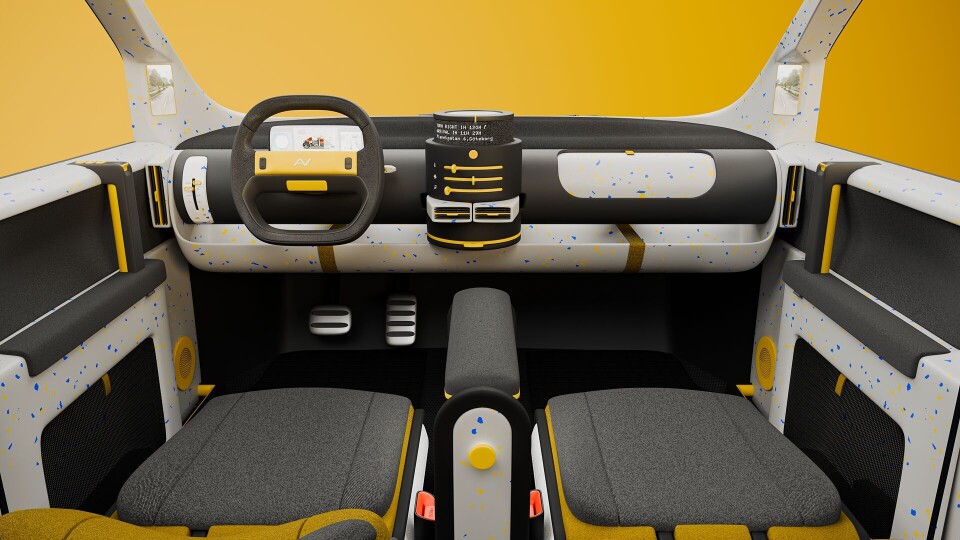

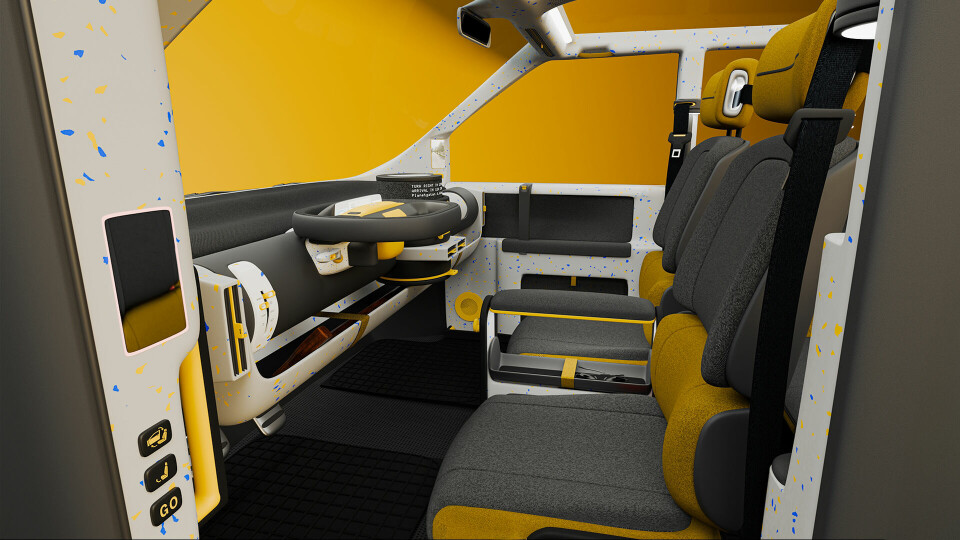


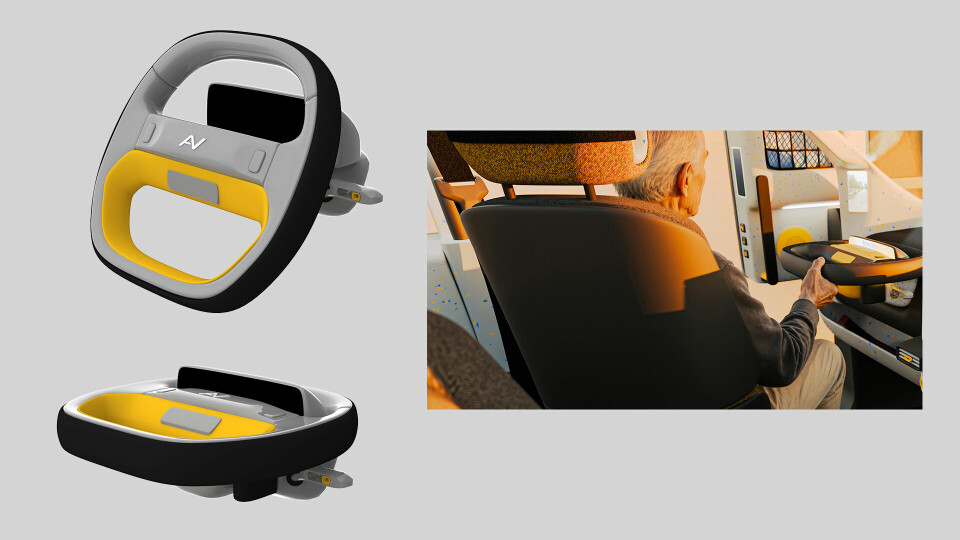

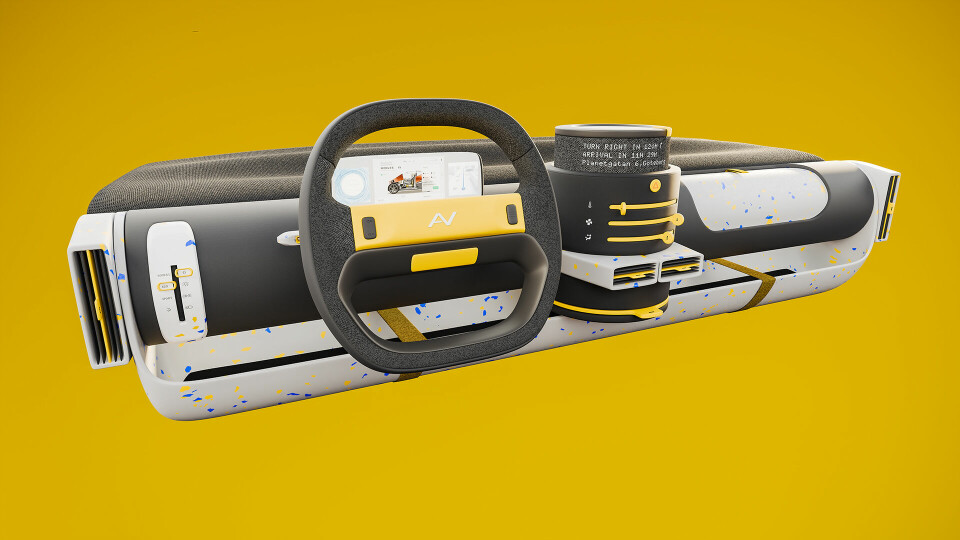


The project was developed through user interviews, full-scale prototyping, sketching, and 3D modelling, resulting in the creation of several ergonomic and safety-oriented solutions such as a rotating seat, supportive steering wheel, accessible seatbelt system, and tactile controls.
"Together, these features promote independent mobility, increase user confidence, and create an inclusive driving experience for all generations," Fodor says. A full-scale cockpit mock-up was also made using wooden pallets, cardboard, and wood.
Land Rover EIR: Emergency Intensive Care Response by Josephine Samuelsson Wahl, with Land Rover
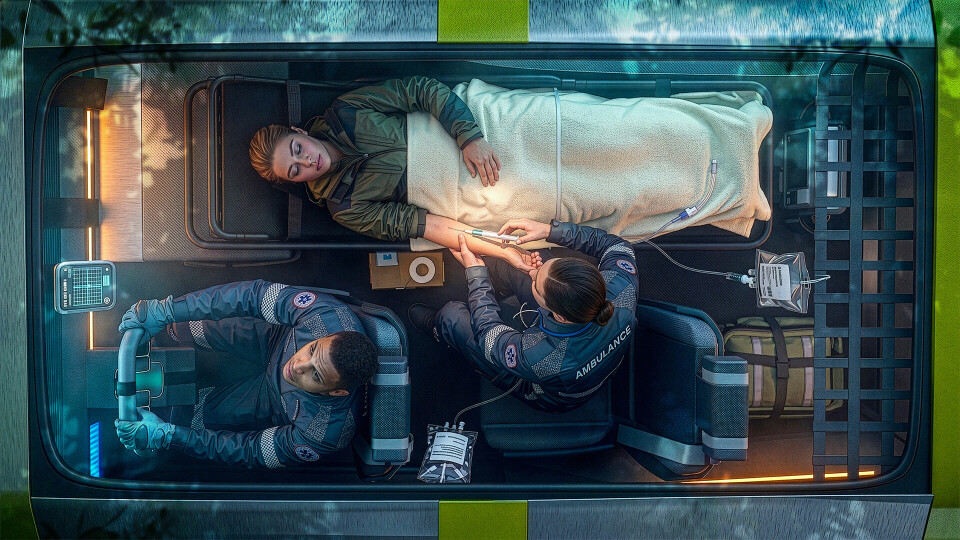
This off-road emergency vehicle was designed for “final kilometre” situations where conventional ambulances cannot gain access and helicopters are grounded. It combines all-terrain capability with a protected medical environment for first-contact care.
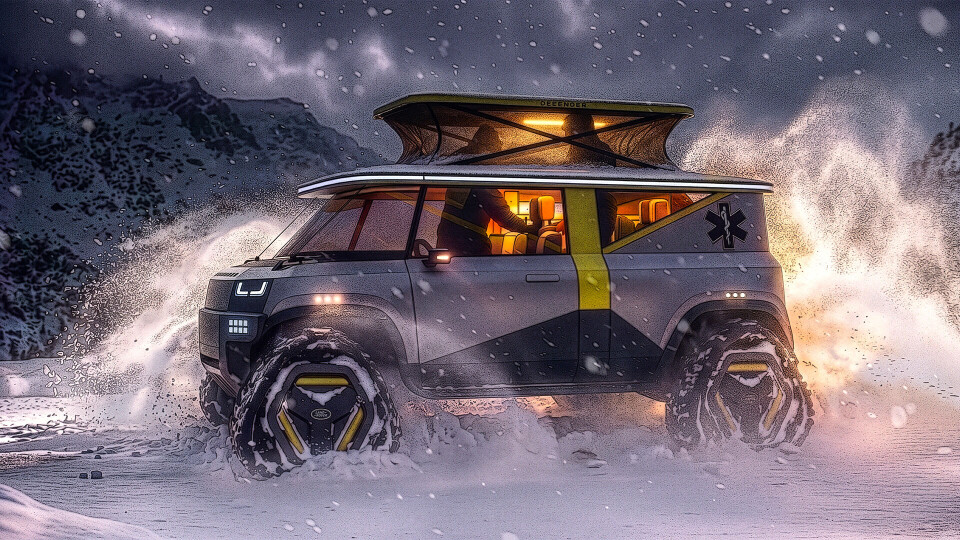


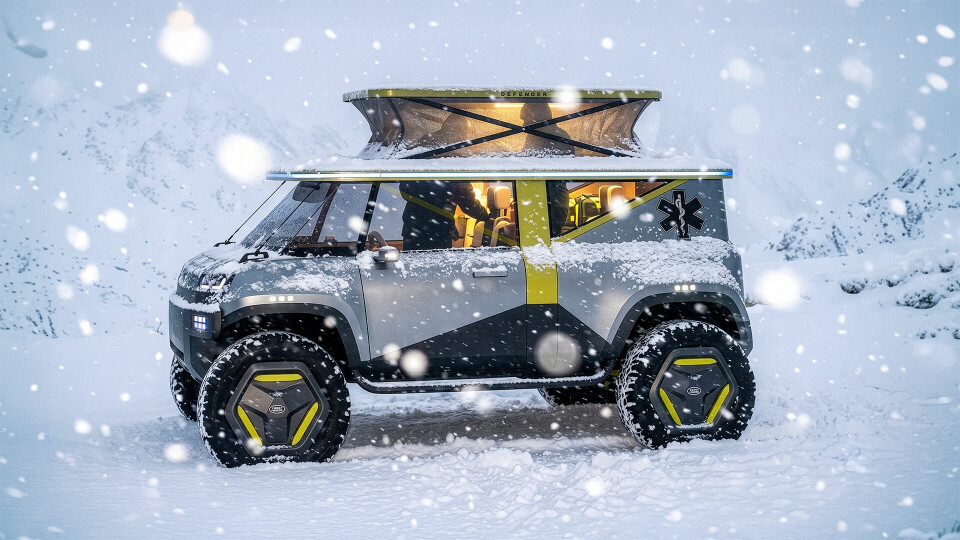
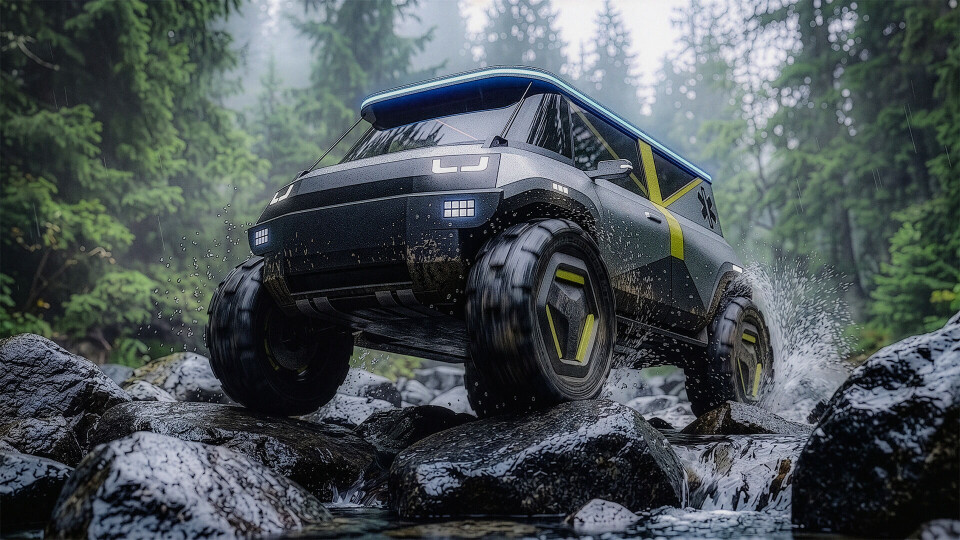




The design language was inspired by relevant forms like tent structures, cracked ice and the geometric contrast of nordic mountain terrain. As Samuelsson Wahl puts it: "Form derived from the world the vehicle belongs to." Note the dynamic rear bumper, which folds down to create a more accessible loading ramp, and wheels that switch between circular and triangular depending on soft or firm terrain.
The designer completed interviews with nine experts across four professional fields: mountain rescue, clinical ambulance, disaster medicine, and rural healthcare. As such, "the project builds its design argument from operational evidence rather than assumption," Samuelsson Wahl explains. "Every formal decision in the vehicle traces back to a specific research finding."
Social Night by David Dahlberg, with SJ
Dahlberg envisioned a night train that is configured for what he describes as "social comfort, safety and flexible privacy." The idea, he explains, is to rethink long train journeys from an experience that is "endured" to one that is desirable. This required him to think about human factors and the broader, more nebulous notion of "atmosphere."
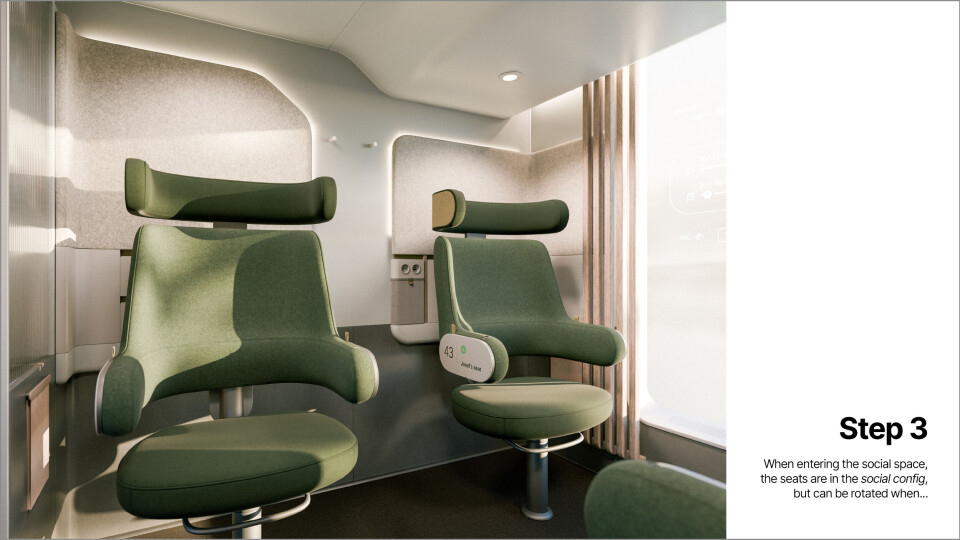
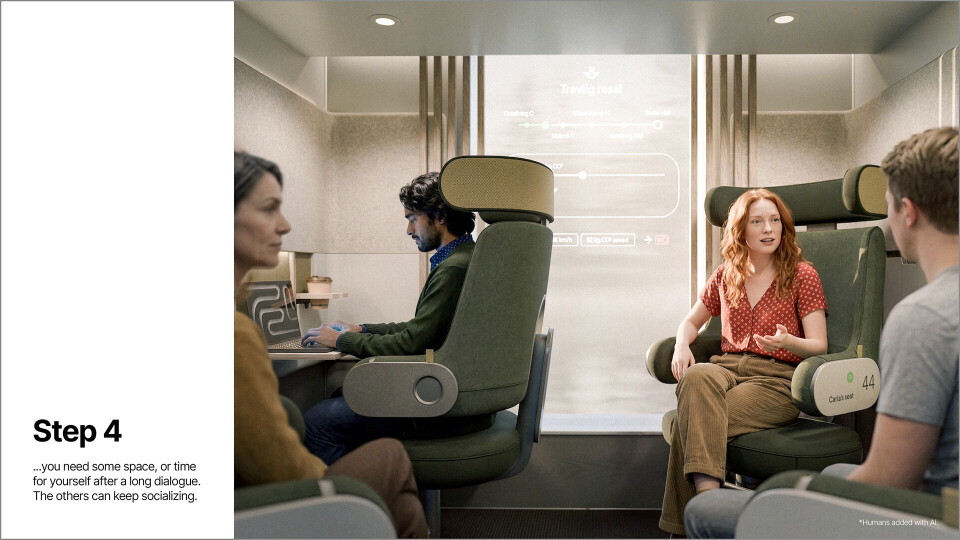
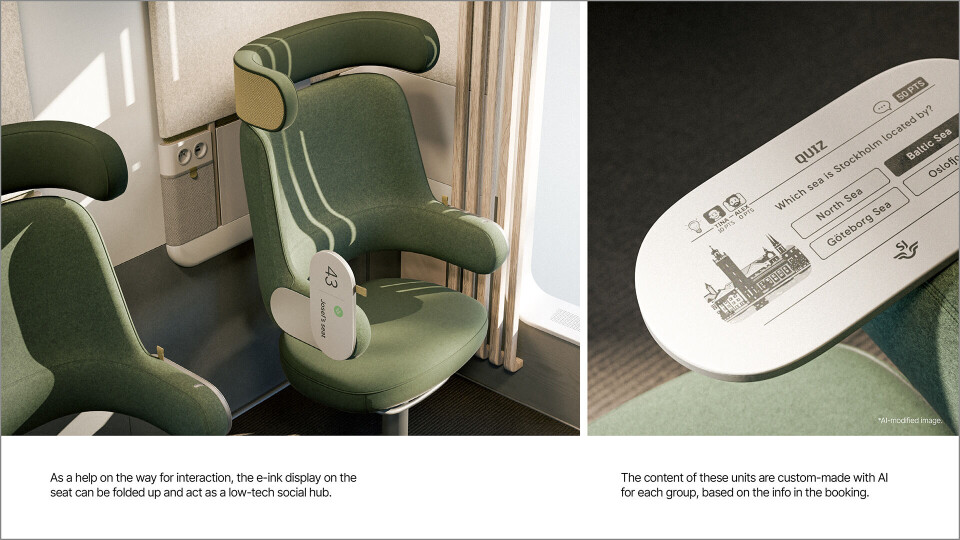


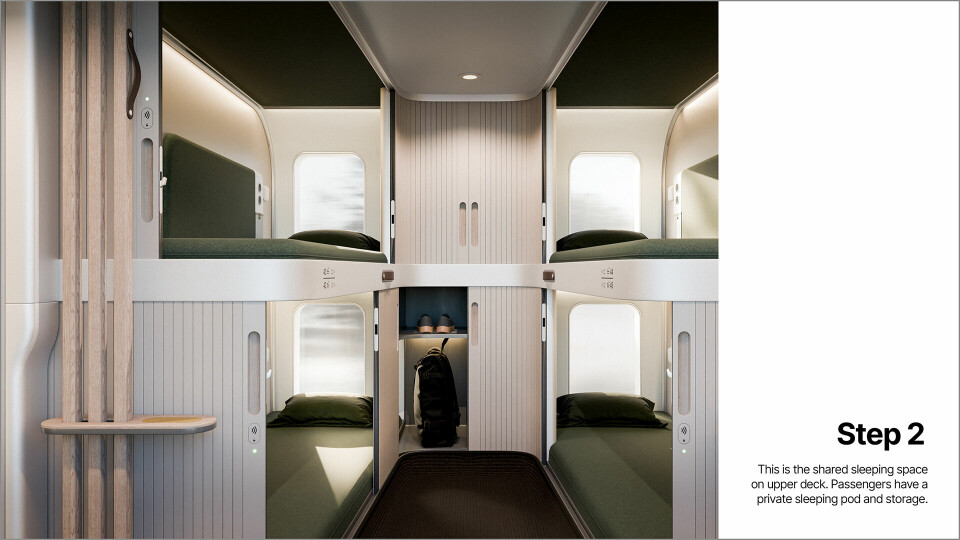

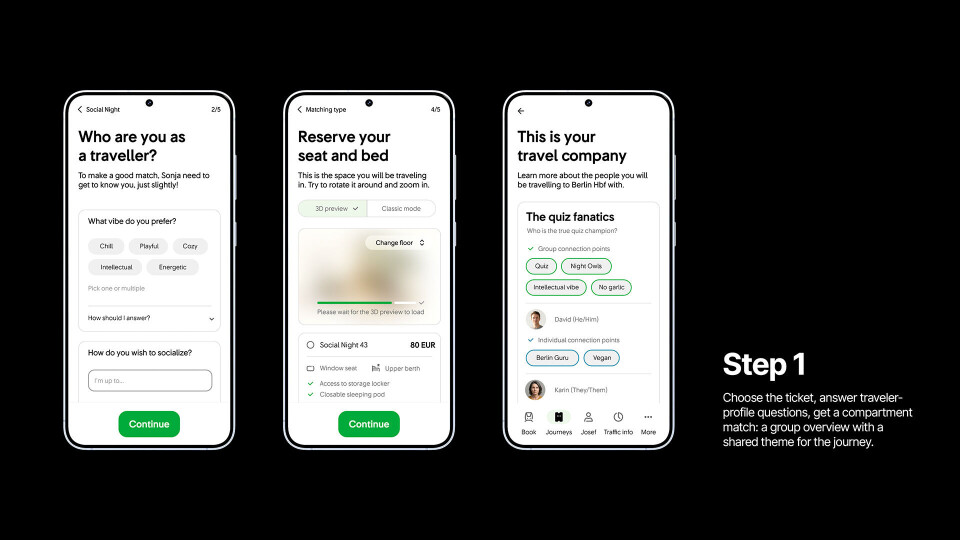


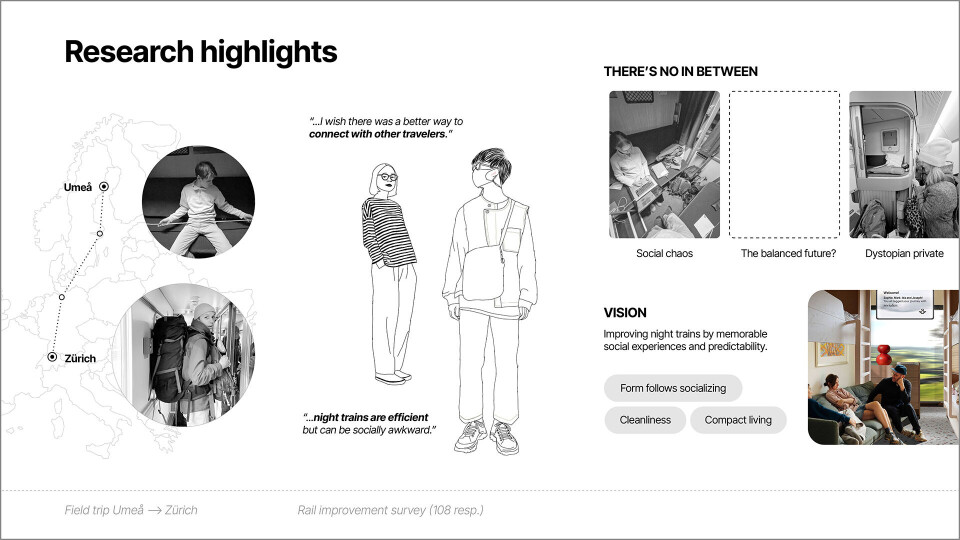

'Social Night' is based in 2050 and combines more reclusive 'sleeping pods' and more conventional social spaces where casual meetings can take place. "This involved gathering insights from actual travelers in various ages and gaining firsthand experience," says Dahlberg. " The final proposal presents a strategic overnight train compartment concept, aimed at improving user experience. A digital matching service is offered before departure for good compartment companionship, and the two-deck interior has distinct social and sleeping areas to ensure privacy as needed."
There has clearly been a keen focus on CMF, with soft neutrals paired with warmer, almost spa-like sage green textile. Fluted pine trim extends from floor to ceiling in strategic areas, mirrored by fluted and frosted glass frames directly opposite.
MINI Unfinished by Isaac Stenegärd, with MINI
Stenegärd appears to have riffed on different themes of what a Mini can be, somehow bridging the 'backwards cap' roofline of a neo-modern Mini Coupe and the barebones expression of a lightly modified classic Mini.


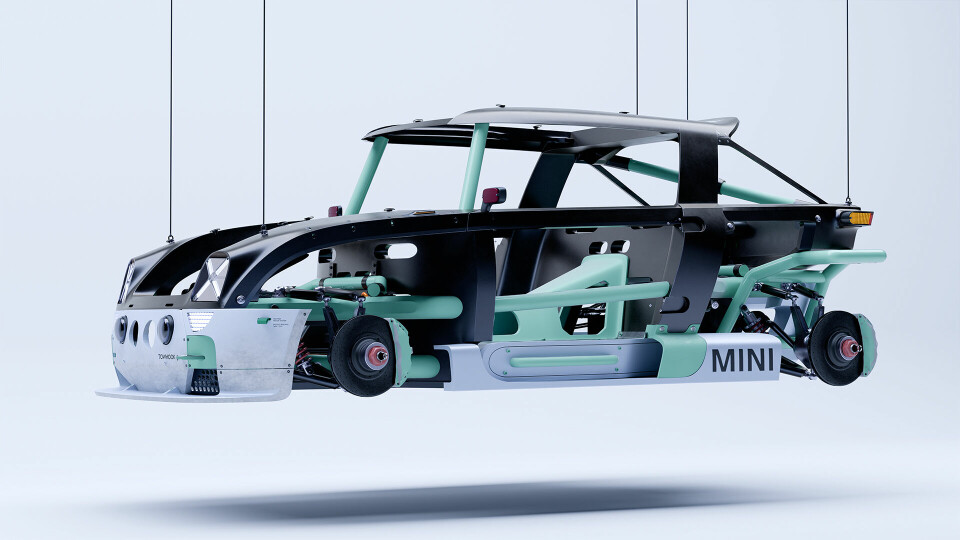
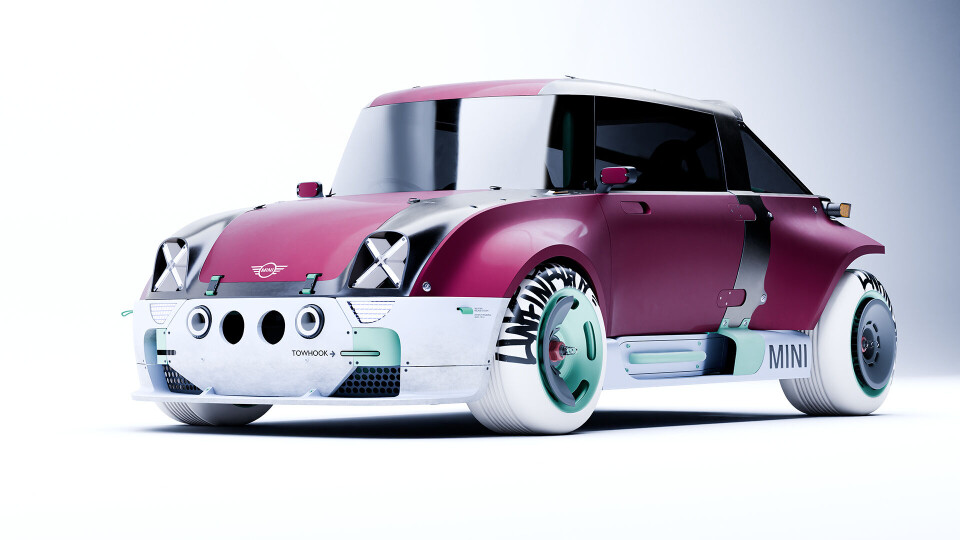


A key focus was on sustainability, and the aim is to present this more "as a cultural practice than a technical one, using repair, customisation and long-term ownership as its core idea." The suffix 'Unfinished' feels a little harsh given the concept is a well resolved hot hatch with squat proportions, a familiar 'face' and light signature, and attractive pastel CMF theme. Head to the rear, and it feels more apt, with the car's body structure purposefully left on show.
It would not surprise us to see Stenegärd eventually specialise in lighting design, with a dedicated frame from his moodboard showing an exploded diagram of the rear lamp and its 3D-printed housing.
Entrain CPU by Max Westergård
Social constructs are becoming a key consideration for mobility concepts, reframing a vehicle as a personal transportation device and more of a shared hub. That is exactly what Westergård is going for with what he describes as a "participatory autonomous interior."


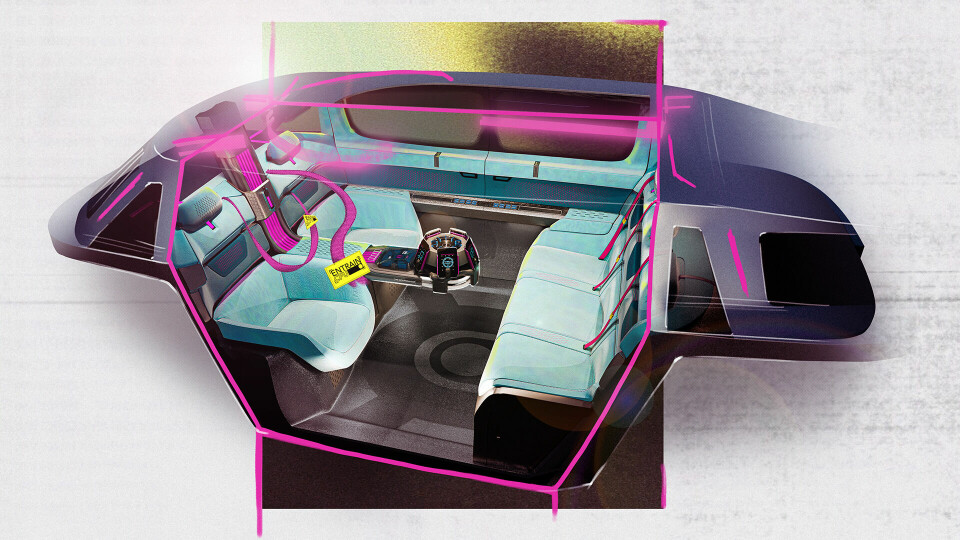


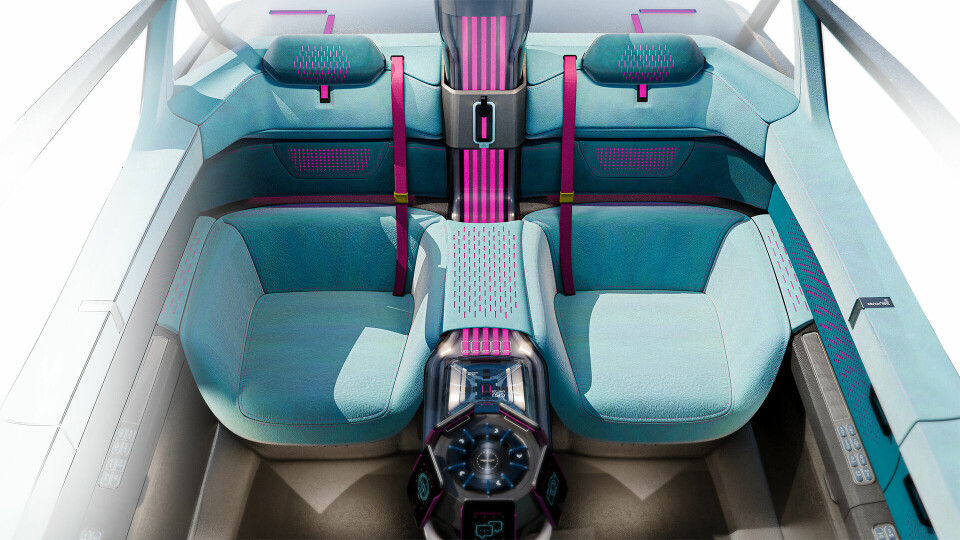

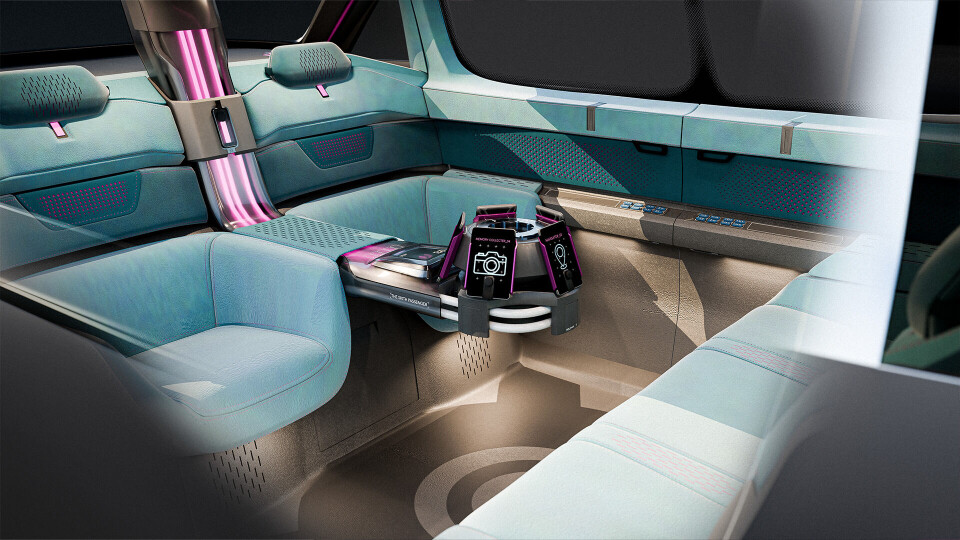


With no steering wheel, the idea is instead that passengers shape the journey through shared micro-tasks through a central interaction hub. Such a vision of autonomous driving would be less passive and more "social, visible and meaningful."
It may seem curious that the designer considered how to reduce digital distraction and then created a vehicle that is built around a digital interaction hub — and named the project after a central processing unit — but take a step back and you will see a group of passengers engaging with one another. Technology is the facilitator for socialisation.
Umbría by Yishun Dai Wang
While the concept is named after the picturesque region of Italy, it does in fact take inspiration from the Spanish region of Andalucía. Like most others on the course, Wang carried out a series of interviews to ensure the project was informed through real-world scenarios. In this case, speaking with an Andalusian farmer led to the creation of a cabin that acts as a small mobile building.
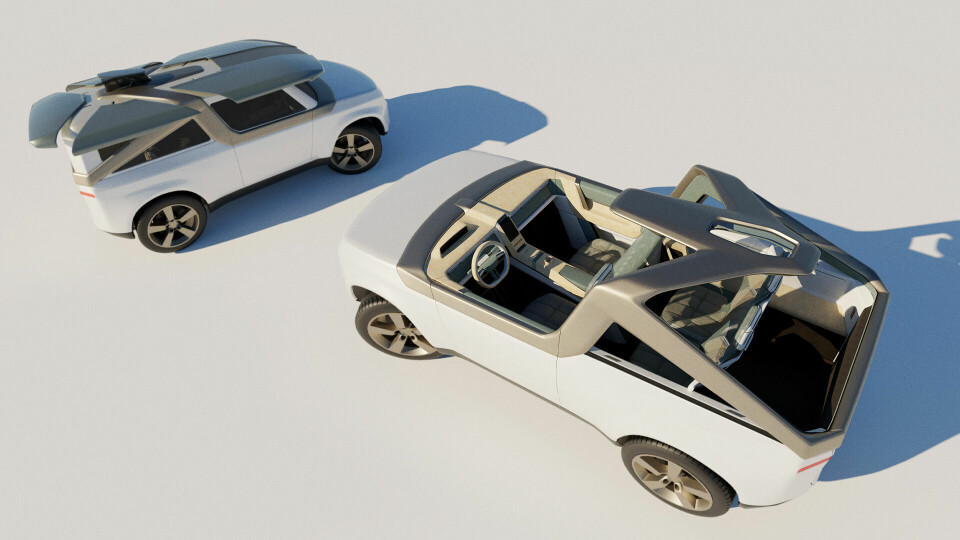

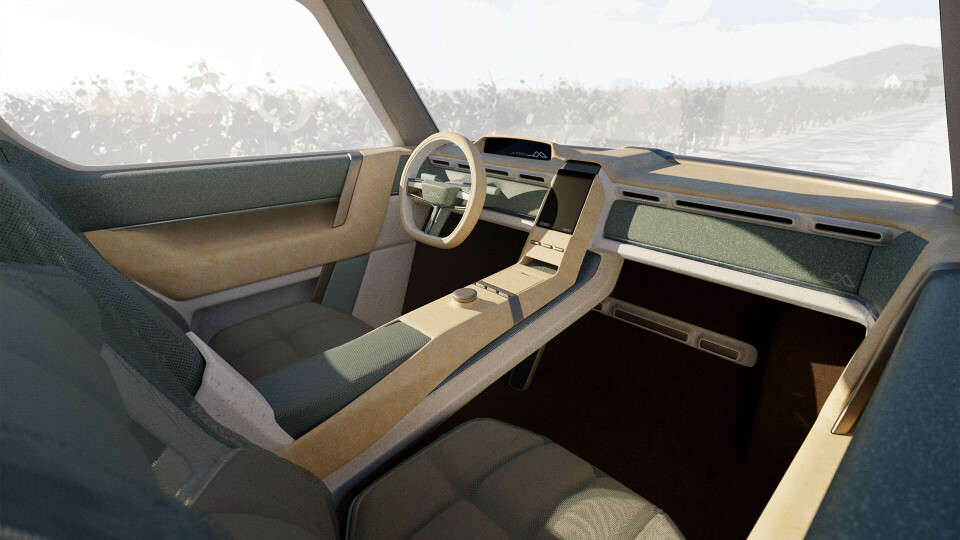
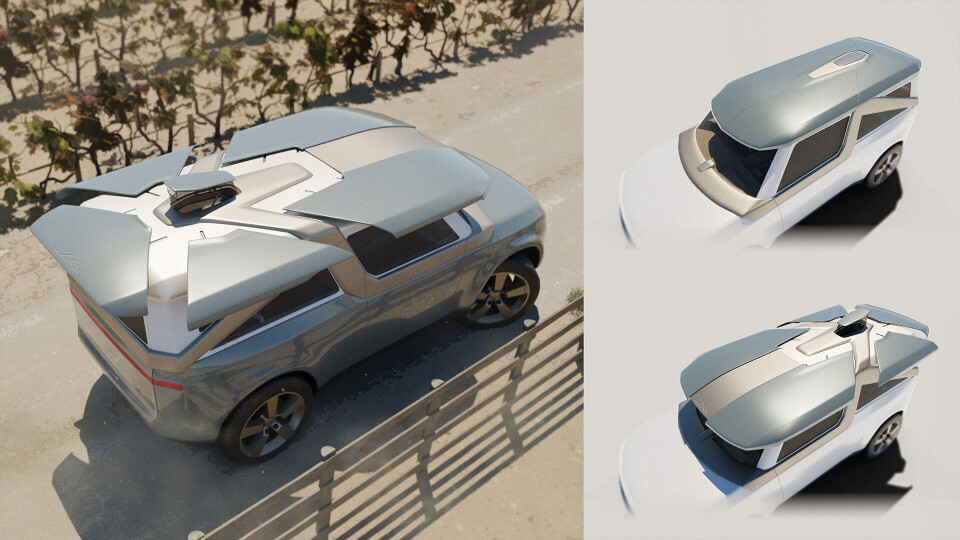
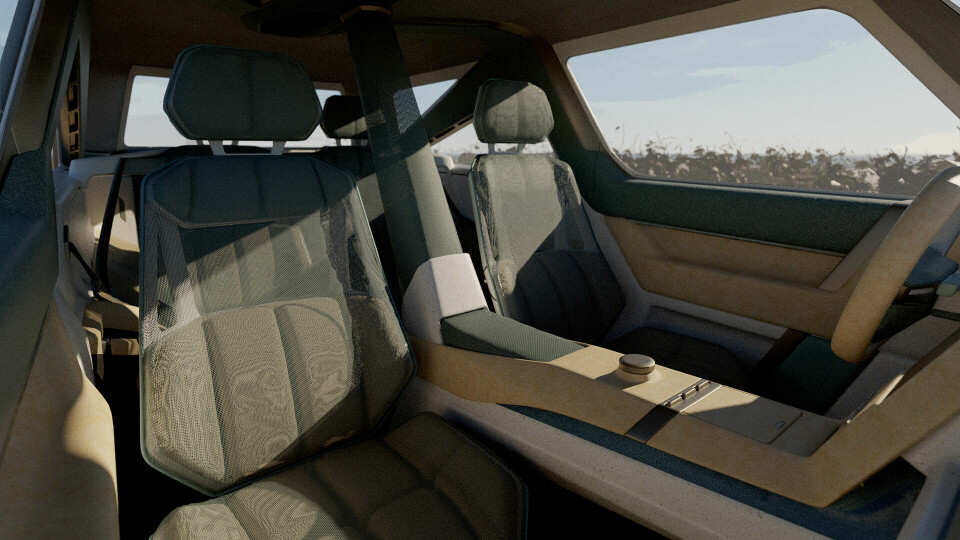


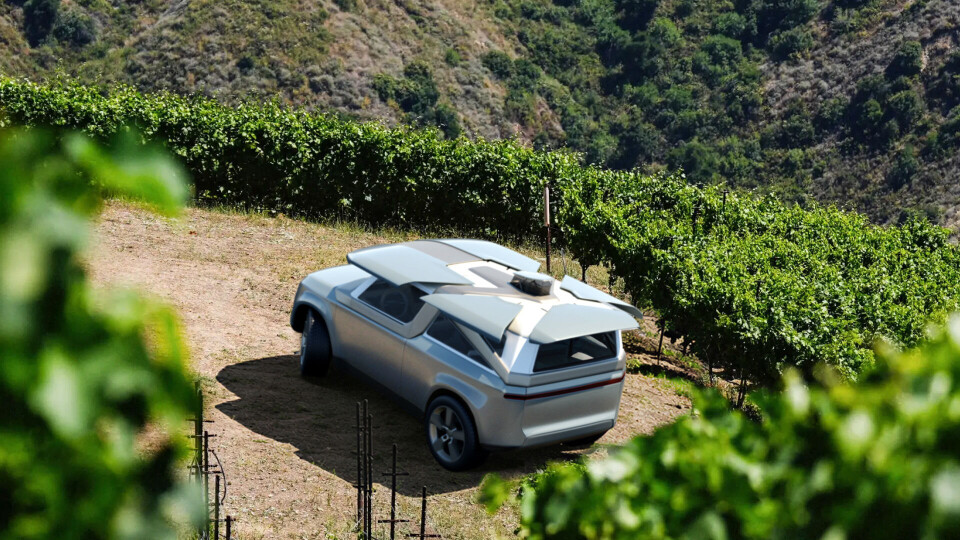


"An exoskeletal thermal frame channels stack-effect ventilation, a retractable solar chimney, a phase-change thermal core that absorbs and releases heat across the day, deployable awnings, and a rear seats configuration that opens into a hammock for the midday halt," explains Wang. "The intent is not to replace air conditioning, but to reduce its load to a fraction of current levels, proposing passive thermal architecture as a viable design direction for vehicles operating in the world’s warming climates."
That external frame almost feels aeronautical in its form, while the lower two-thirds feel more conventionally automotive.
XENIA by Yichen Jiang, with Xpeng
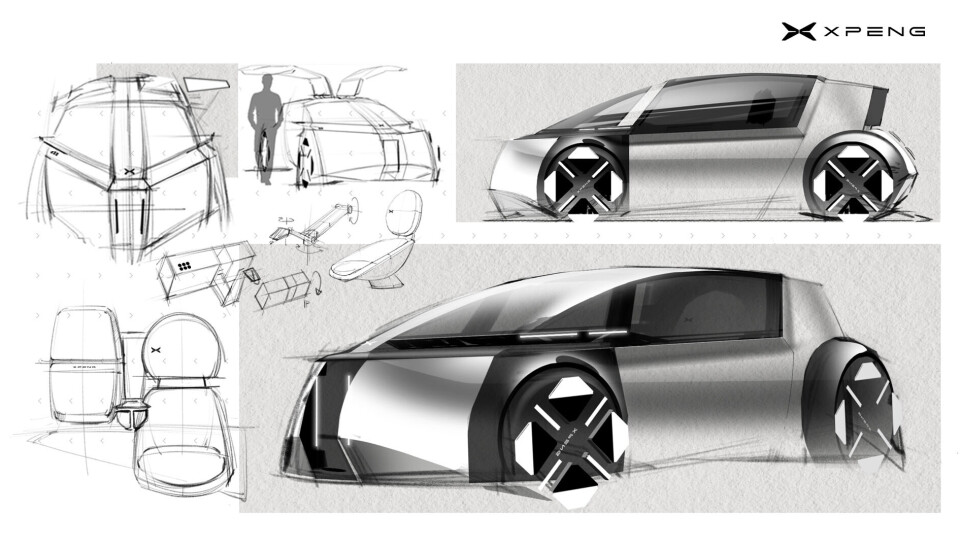
Created with the support of Xpeng, this is another concept that puts universal mobility at the centre of the conversation. Xenia is a shared autonomous car with a modular seat that extends outwards for improved ingress and egress, particularly useful for wheelchair users. The two-seater is 3,900mm long, putting it somewhere between a VW Up! and a Polo for comparison. The design features a low cowl for improved visibility and a distinctive wedgey front end.
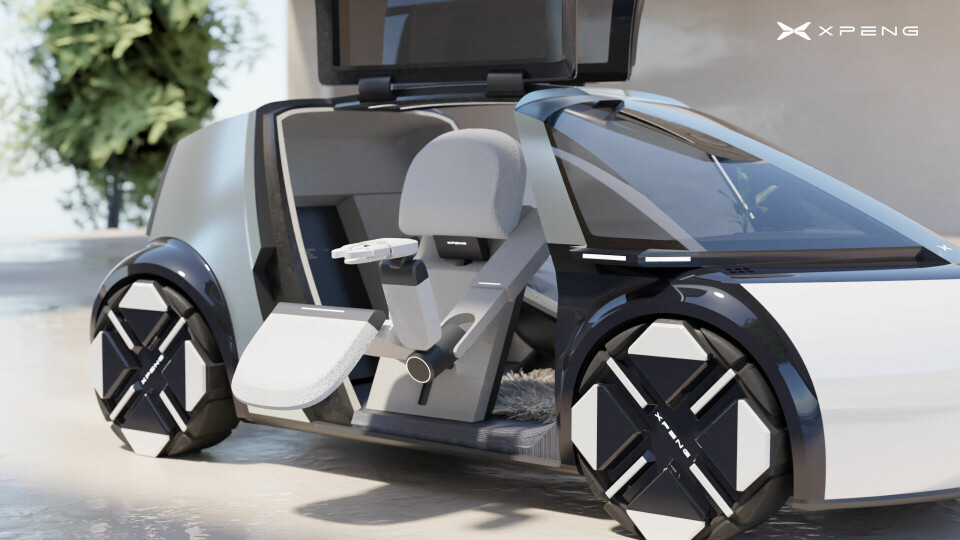


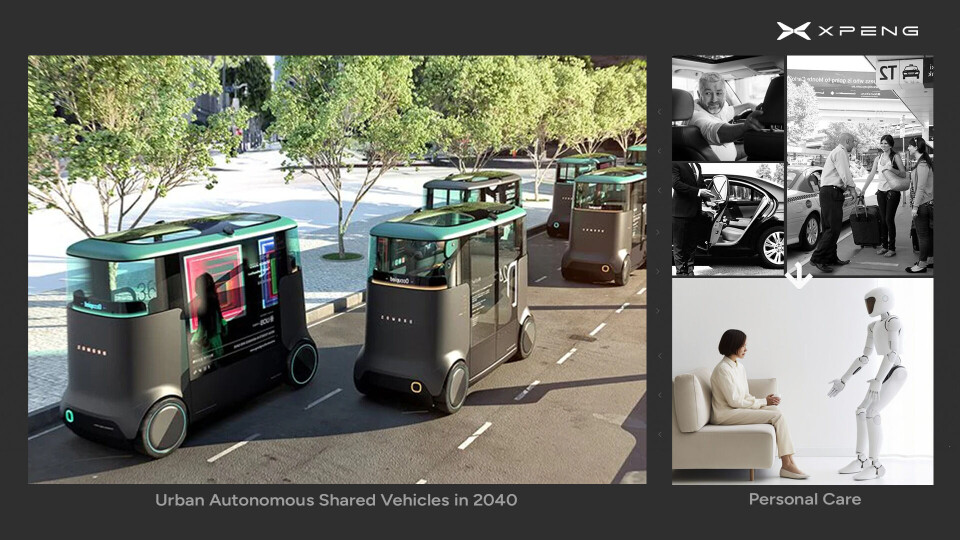

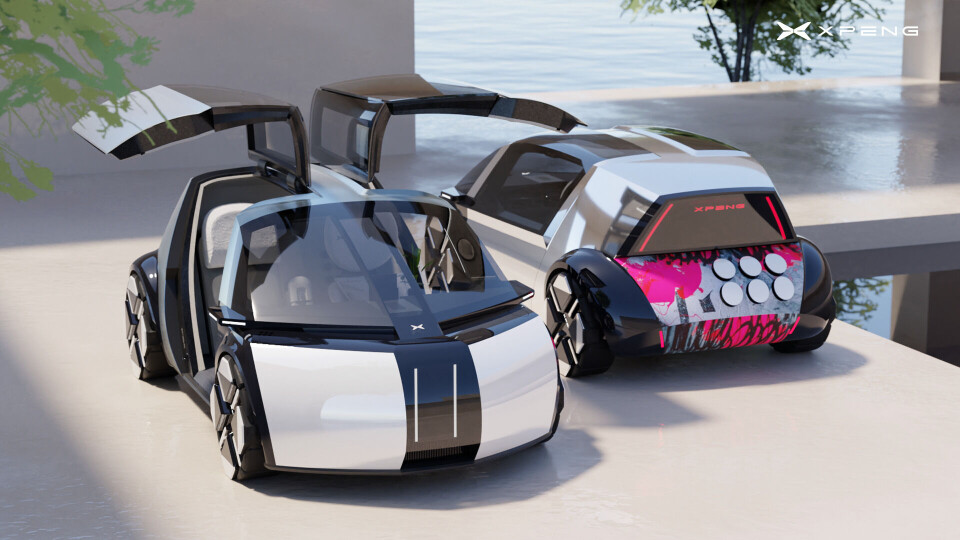


"To ground the concept in real needs, research focused on wheelchair users," explains Jiang, "their requirements for dignified boarding, simple mechanisms, low floors, and journey-long assistance represent the toughest test for any in-cabin service system. Interviews and online community analysis identified key priorities: compact spaciousness, easy low-floor access, ride quality with secure wheelchair fixing, and compatibility across chair types."
The concept is a result of collaboration with Xpeng's Shanghai studio.
MORPH. Small Van, Big Life by Shi Cao
"How might mobility redefine the boundaries of living and transportation, better support people’s pursuit of comfortable, nature-oriented mobile lifestyle?"
Such was the thought process of Cao when approaching this "expandable" van concept which blends the demands of urban commuting with outdoor living. Origami is often used to describe the angular, creased bodywork of some contemporary design languages — Hyundai perhaps the most recent example — but Cao employs the term in the sense of dynamic origami where the form can shapeshift.


"It keeps compact for easy daily travel and narrow‑road access and unfolds into a functional living area for camping," explains Cao. "More than a vehicle, Morph builds a user‑friendly outdoor service system. It enables simple, social camping experiences, exploring flexible and inclusive mobility for future nomadic outdoor lifestyles."
Outer Widgets by Jakub Szewczyk, with Dacia & Thule
Outer Widgets was created alongside Dacia and outdoor lifestyle brand Thule. The idea is a shared mobility system that makes outdoor sports more accessible without requiring car ownership, combining compact vehicles, modular gear storage and local service partners. A systems-led project about access to nature and active lifestyles. [Ed. More to follow.]

Maybach Nightway by Santiago Sánchez, developed with Mercedes-Benz Exterior Design Production Studio
Maybach has been a popular brand focus among students at various design schools of late. That perhaps speaks to the German brand's willingness to engage with the next generation of designers at an academic level.


In Sánchez's case, this shapely vehicle is designed for long-distance cross-border travel, just as Maybachs should be used. This particular vehicle is autonomous, but that will have little bearing on most owners who would be driven by a chauffeur anyway. Maybach Nightway is "designed around rest, privacy and door-to-door comfort," the designer says. "It proposes a new ground-based category between night train and chauffeur service, with a very strong exterior design story."
It is indeed an interesting evolution of the Maybach design language, somehow feeling entirely separate to contemporary brand forms but also quite a plausible progression by the year 2050. The project was developed in collaboration with the Mercedes studio in Sindelfingen, where Sánchez reports a "shared interest in exploring generative AI visualisation tools as part of a professional exterior design workflow."